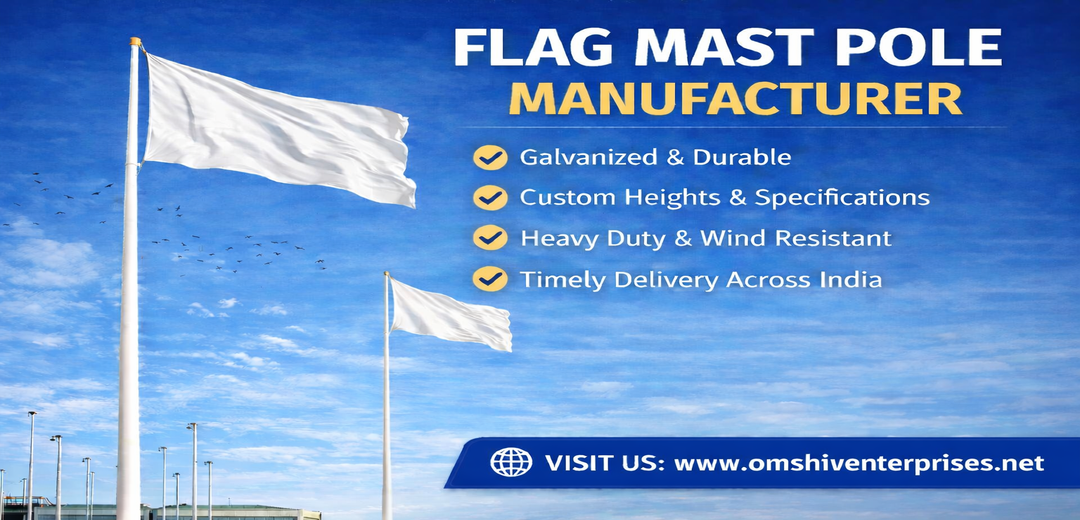
Flag Mast Pole Manufacturer
The Complete Guide to Choosing the Right One
Flagmast poles are more than just functional structures — they’re symbols. Whether it's a national flag on a government building, a corporate flag at headquarters, or a decorative flag in a park, the right flag mast pole reflects professionalism, strength, and durability. For these reasons, choosing the right Flag Mast Pole Manufacturer is extremely important.
In this guide, we'll walk you through the types of flag poles, material considerations, manufacturing standards, and what to look for when selecting a reliable manufacturer — especially from a company like OM Shiv Enterprises.
What Is a Flag Mast Pole?
A flag mast pole (or simply, a flagpole) is a vertical structure specifically designed to display flags. These poles can vary significantly in height, from small residential poles (3–6 meters) to large institutional poles (over 50 meters). Excellent flag mast poles must handle variable weather conditions, wind loads, and also look elegant.
Types of Flag Mast Poles
Here are the most common types:
-
Fixed Flag Poles
These are permanently installed poles where the rope (halyard) is usually fixed in place. They are simple and ideal for smaller installations. -
Internal Halyard Flag Poles
The rope is inside the pole, hidden from view. This helps with security (no external rope tampering) and offers a clean, sleek look. -
External Halyard Flag Poles
The rope runs outside the pole, making it easier to repair or replace, but more exposed to wear and vandalism. -
Tilt-Up Flag Poles
These poles can be tilted at the base so that they lie flat for maintenance — ideal for very tall poles where climbing might be risky. -
Telescopic Flag Poles
Designed with multiple sections that can slide in and out — perfect for applications where the pole height needs to change or for easy shipping.
Materials and Finishes: What to Consider
-
Galvanized Steel: Very common. Provides excellent strength and resistance to corrosion.
-
Aluminium: Lightweight, rust-resistant, good for medium-duty applications.
-
Stainless Steel: Premium finish and high durability, often used for high-end applications.
Finishes include:
-
Hot-dip galvanization for maximum corrosion resistance
-
Powder coating for color and weather protection
-
Anodizing (especially for aluminum) for added durability
Engineering & Structural Design
When manufacturing a flag mast pole, good engineers take into account:
-
Wind Load Calculation: The Design must withstand the expected wind speed in the installation area.
-
Sectional Construction: Many poles are shipped in sections (tubular or conical).
-
Foundation Design: The base plate, anchor bolts, and foundation concrete must be designed precisely to ensure stability.
-
Halyard System: Internal or external rope systems, with cleats or a winch, depending on design.
-
Lightning Protection: For tall poles, a grounding or lightning arrestor system is crucial.
Quality Assurance & Testing
A high-standard Flag Mast Pole Manufacturer will perform:
-
Tensile and yield strength testing on the pole material
-
Weld inspections (for all joints)
-
Coating thickness test (for galvanization or paint)
-
Load testing (simulating wind and weight)
-
Rust/corrosion testing (especially for coastal or humid environments)
Integration & Accessories
-
Halyard System: Ropes (halyards), cleats, pulleys, winches
-
Finials/Ornaments: Decorative tops (e.g., eagles, balls, spear tips)
-
Lowering / Raising Mechanism: For maintenance, either a manual winch or a motorized system
-
Flag Attachments: Clips, hooks, or larger systems for heavy or large flags
After-Sales, Installation & Maintenance
A trustworthy manufacturer like OM Shiv Enterprises not only delivers poles but also provides:
-
Foundation Design Support: Engineering for concrete footing and anchor bolts.
-
Installation Guidance: Step-by-step erection procedures for safety.
-
Maintenance Plans: Regular inspection of ropes, bolts, and structure.
-
Spare Parts: Replacement halyards, winches, cleats.
-
Warranty & Support: For structural defects or coating failures over time.
How to Choose the Right Flag Mast Pole Manufacturer
Here’s a practical checklist:
-
Experience & Portfolio
-
Look for manufacturers who have completed similar flagpole projects.
-
Ask for photographs, case studies, or client references.
-
-
Technical Capabilities
-
Can they custom-design the pole to your required height, duty, and finish?
-
Do they provide detailed design drawings for approval?
-
-
Certifications & Standards
-
ISO certification, if applicable
-
Quality assurance processes, material certificates
-
-
After-Sales & Warranty
-
Do they offer parts and maintenance?
-
What is the warranty for the structure and finish?
-
-
Cost & Logistics
-
Transparent pricing for manufacturing, transport, and installation
-
Lead time for production and delivery
-
Why OM Shiv Enterprises Is a Trusted Choice
-
Expertise: Years of experience in manufacturing flag masts for various applications.
-
Quality Materials: Uses galvanised steel, aluminium, or stainless steel based on need.
-
Customization: Internal/external halyard, tilt-up, telescopic options, and height variations.
-
Testing & Assurance: Thorough quality checks, wind-load designs, component testing.
-
Installation & Maintenance: Support with foundations, erection, and spare parts.
-
Local Support: With its manufacturing base, OM Shiv Enterprises can deliver timely and cost-effectively.
Applications for Flag Mast Poles
-
Government & Municipal Buildings
-
Educational Institutions (Schools, Colleges)
-
Corporate Campuses
-
Stadiums & Sports Grounds
-
Parks & Public Spaces
-
Event Venues
-
Residential Complex Entrances
FAQs (Frequently Asked Questions)
Q1: What height options do flagpoles have?
A1: Flagpoles range from a few meters for residential use to 50+ meters for government, stadium, and institutional applications.
Q2: What material is best for a flag mast pole?
A2: It depends on the use case. Galvanized steel is strong and durable; aluminum is lightweight; stainless steel offers a premium, rust-free finish.
Q3: What’s the difference between internal and external halyards?
A3:
-
Internal halyard: Rope inside the pole — safer and more tamper-resistant.
-
External halyard: Rope runs outside — easier to maintain or repair.
Q4: Do tall flagpoles need a special foundation?
A4: Yes, because of the wind load and structural forces, proper foundation design (base plate, anchor bolts) is crucial.
Q5: How is maintenance handled?
A5: With tilt-up or winch systems, poles can be lowered safely for cleaning or rope replacement. Regular inspection ensures longevity.
Q6: How to verify the quality of a flagpole manufacturer?
A6: Check for a strong portfolio, quality assurance process, material certificates, design documentation, and after-sales support.
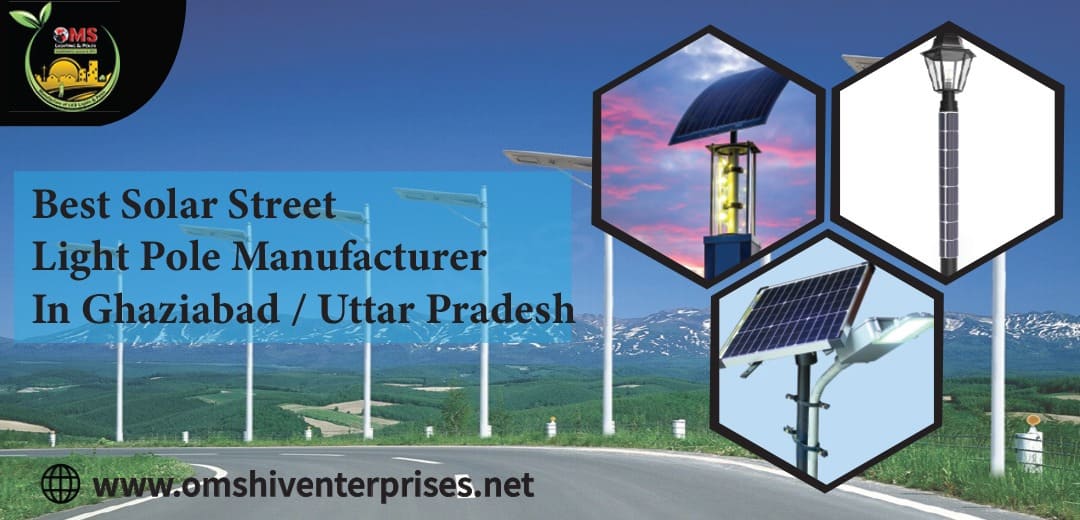
When it comes to finding a reliable and trusted Solar Light Pole Manufacturer, one name stands tall in Ghaziabad, Uttar Pradesh—OMS Lighting & Pole...
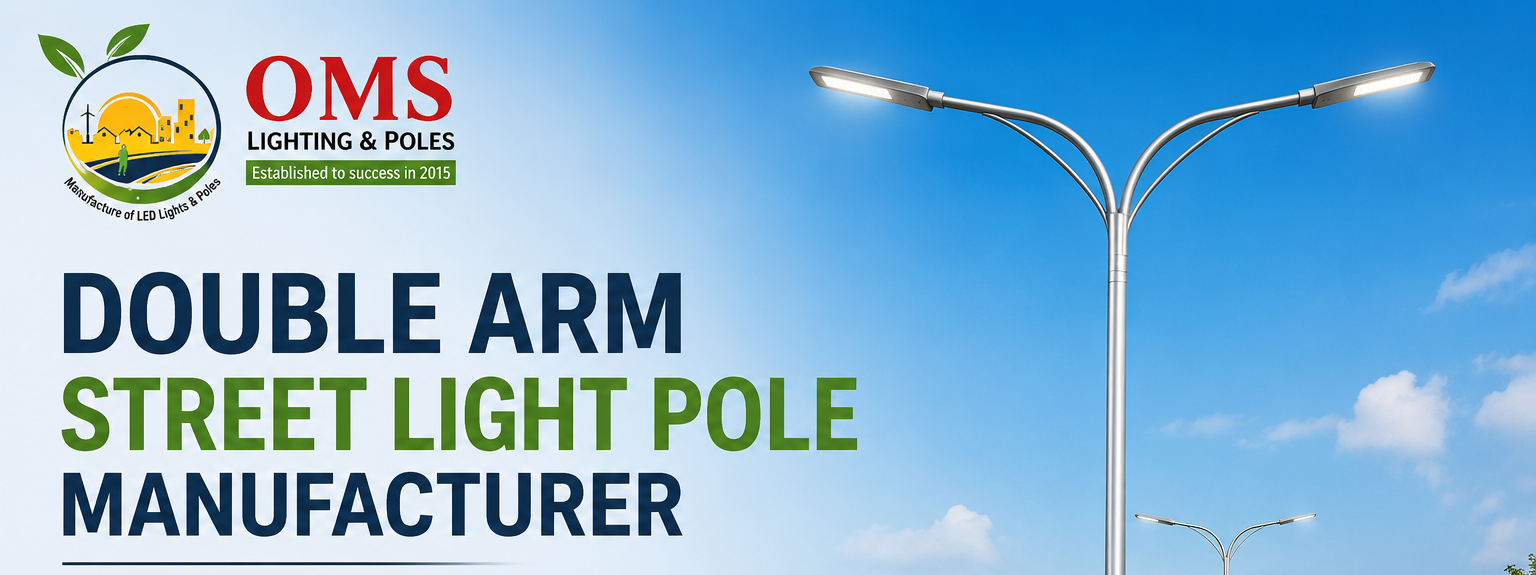
Looking for a trusted Double Arm Street Light Pole Manufacturer? OMS Lighting & Pole Pvt. Ltd. manufactures durable galvanized double arm poles for hi...
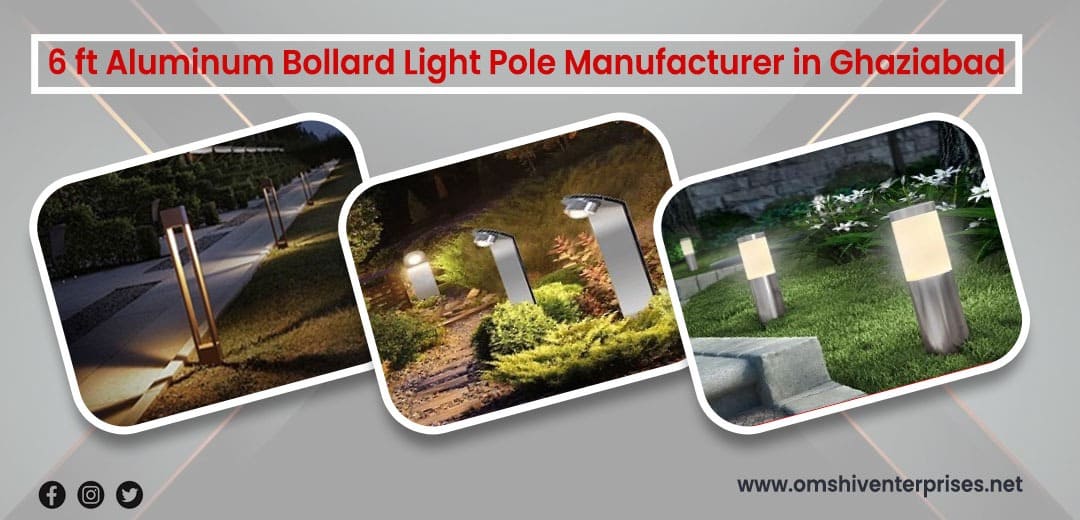
Outdoor lighting plays a critical role in enhancing safety, visibility, and aesthetics in public and private spaces. ...
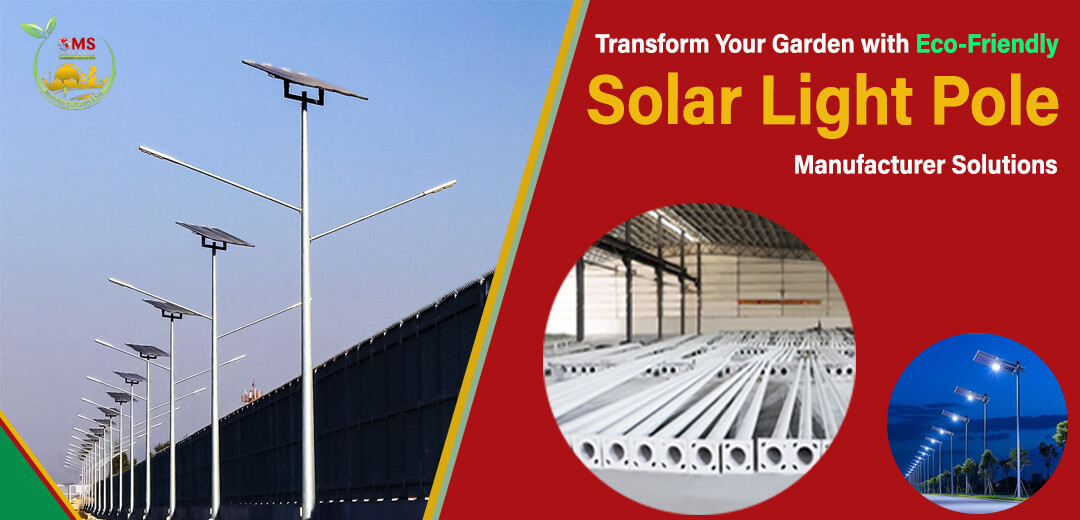
Solar light poles reduce dependency on conventional electricity, lower operational costs, and support green energy initiatives, making them ideal for ...
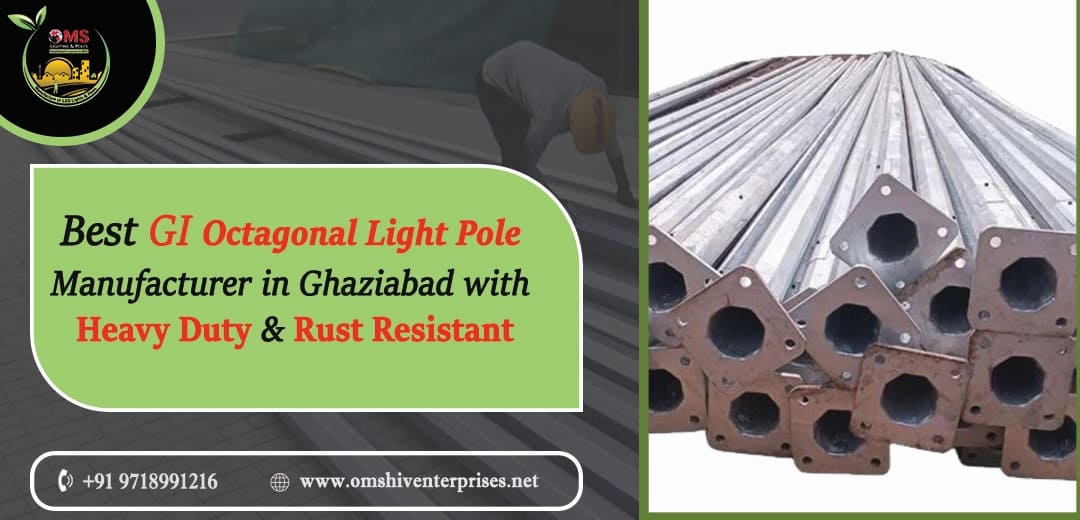
When it comes to outdoor lighting infrastructure, GI octagonal light poles are the preferred choice due to their durability, strength, and resistance ...
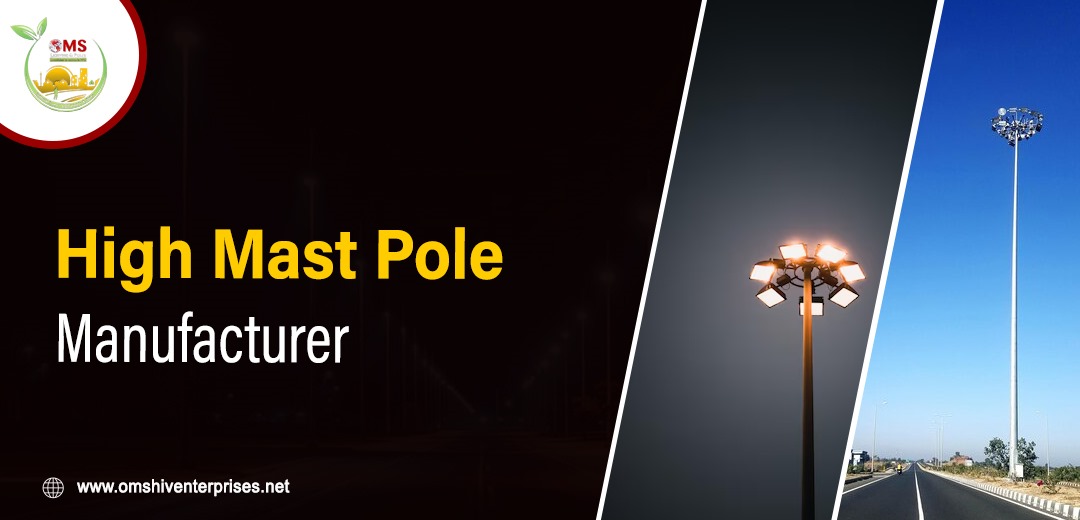
India's infrastructure development has seen a remarkable transformation over the years, and one of the most visible aspects of this progress is the wi...
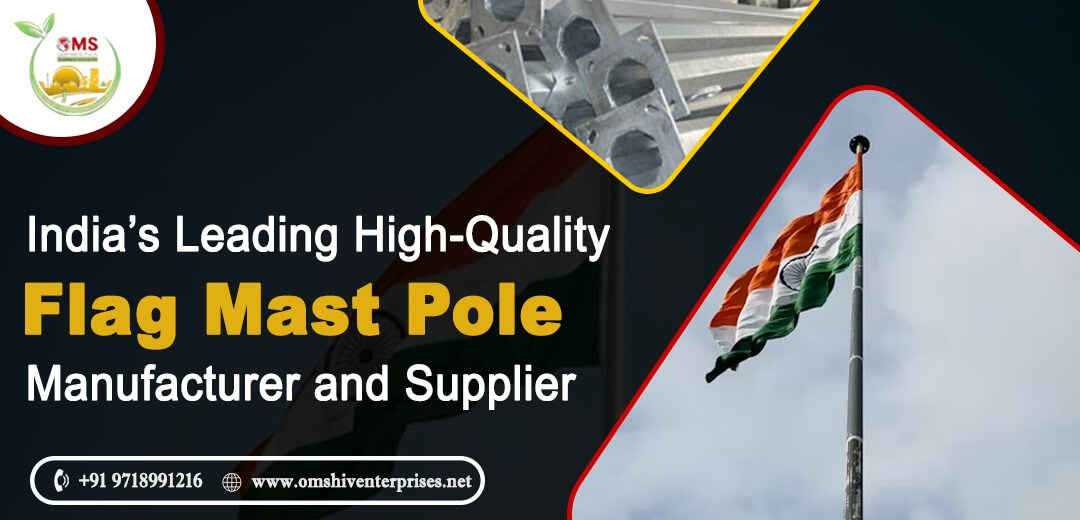
When it comes to flag mast poles, quality and reliability are paramount. India has emerged as a hub for engineering and manufacturing excellence, prod...
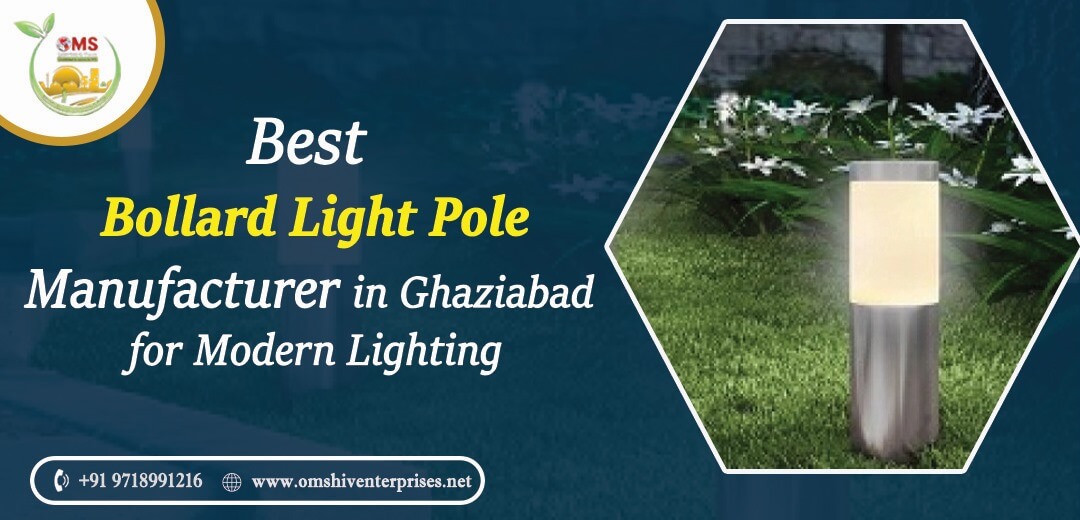
In today’s rapidly urbanizing world, the demand for high-quality lighting solutions has surged significantly. From residential complexes to commerci...
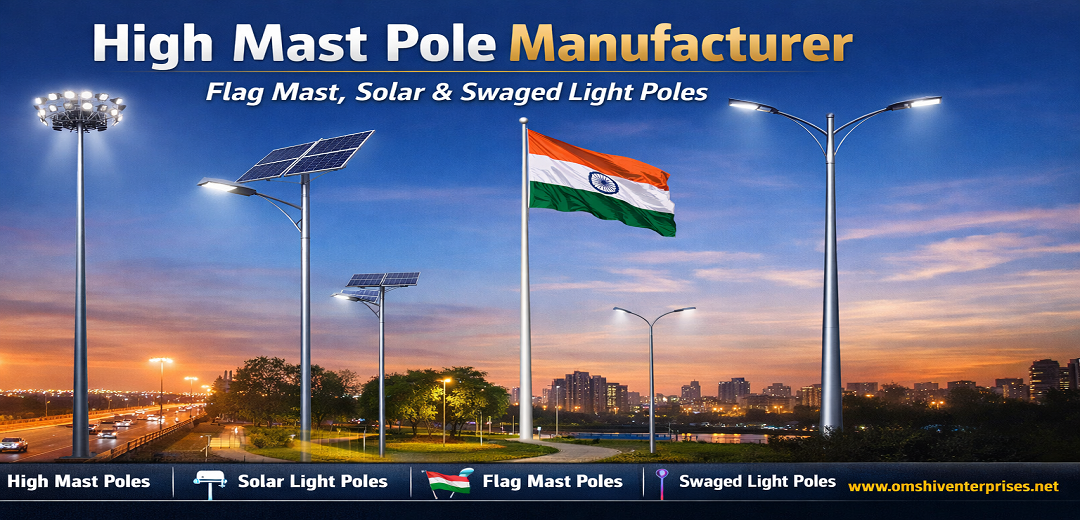
Selecting the right High Mast Pole Manufacturer directly impacts the performance and lifespan of your lighting system. Poor-quality poles may lead to ...
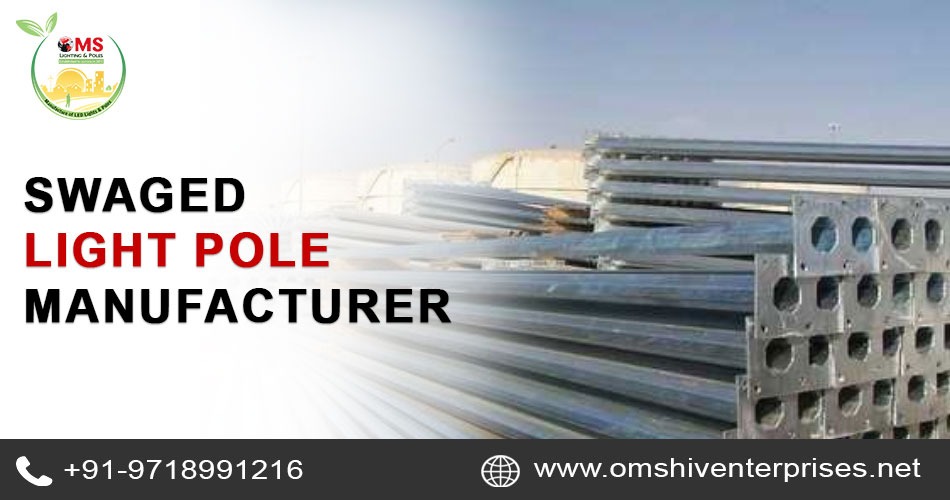
Om Shiv Enterprises has earned a strong reputation in the lighting industry by consistently delivering high-quality swaged light poles that comply wit...
Ghaziabad, being one of the fastest-growing industrial hubs in NCR, has a rising demand for reliable street lighting solutions for highways, residenti...
In recent years, the demand for sustainable and energy-efficient lighting solutions has increased dramatically across the globe. ...
Looking for a reliable Street Light Pole Manufacturer in Ghaziabad? Learn how to choose the best manufacturer for durable, high-quality street lightin...
Looking for a reliable Solar Light Pole Manufacturer? Get durable and energy-efficient solar light poles for roads, highways, townships, parks, and co...
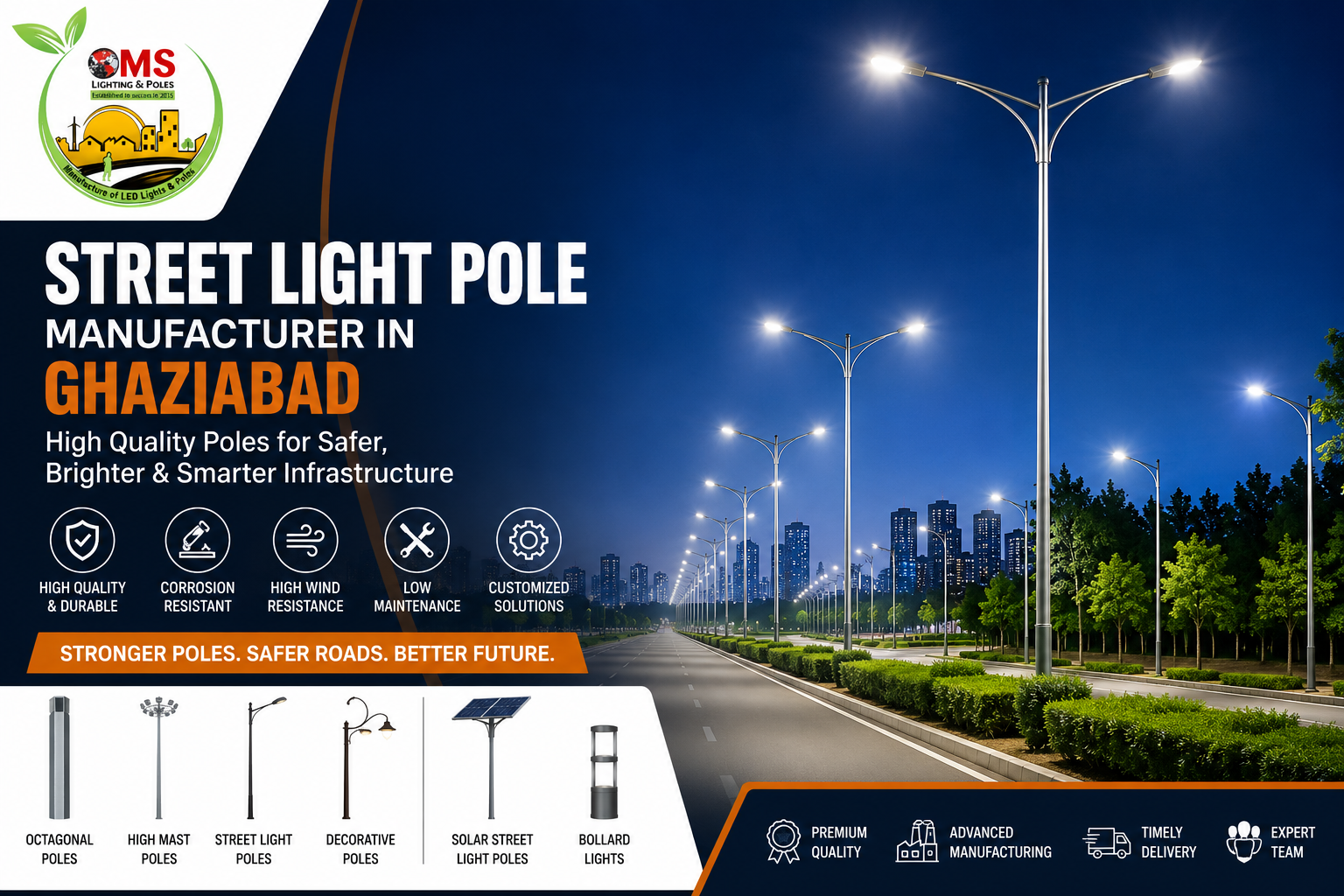
Looking for a reliable Street Light Pole Manufacturer in Ghaziabad? OMS Lighting & Pole offers high-quality street light poles, octagonal poles, high ...
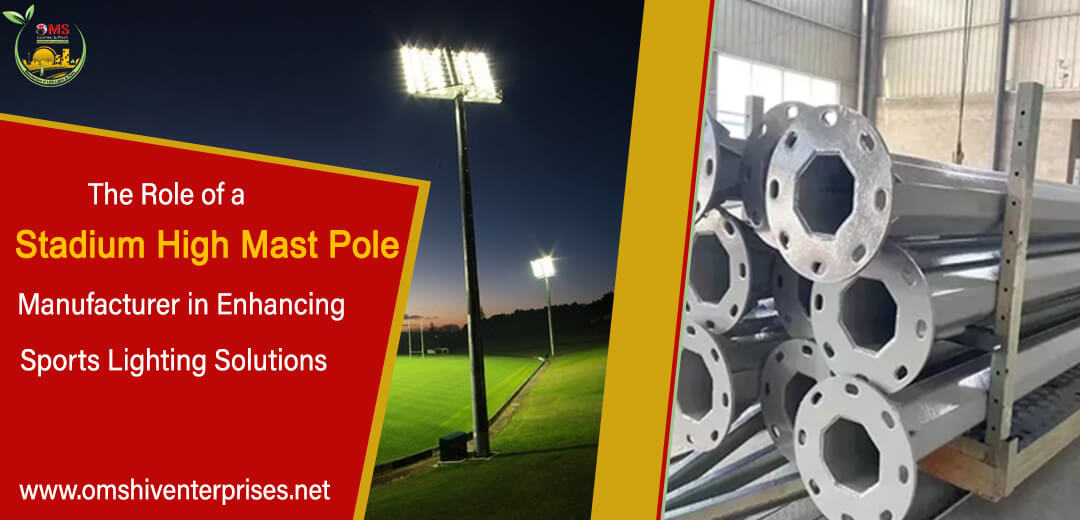
Avoid costly mistakes when choosing a Stadium High Mast Pole Manufacturer. Learn what to check before buying high mast poles for stadiums, sports comp...
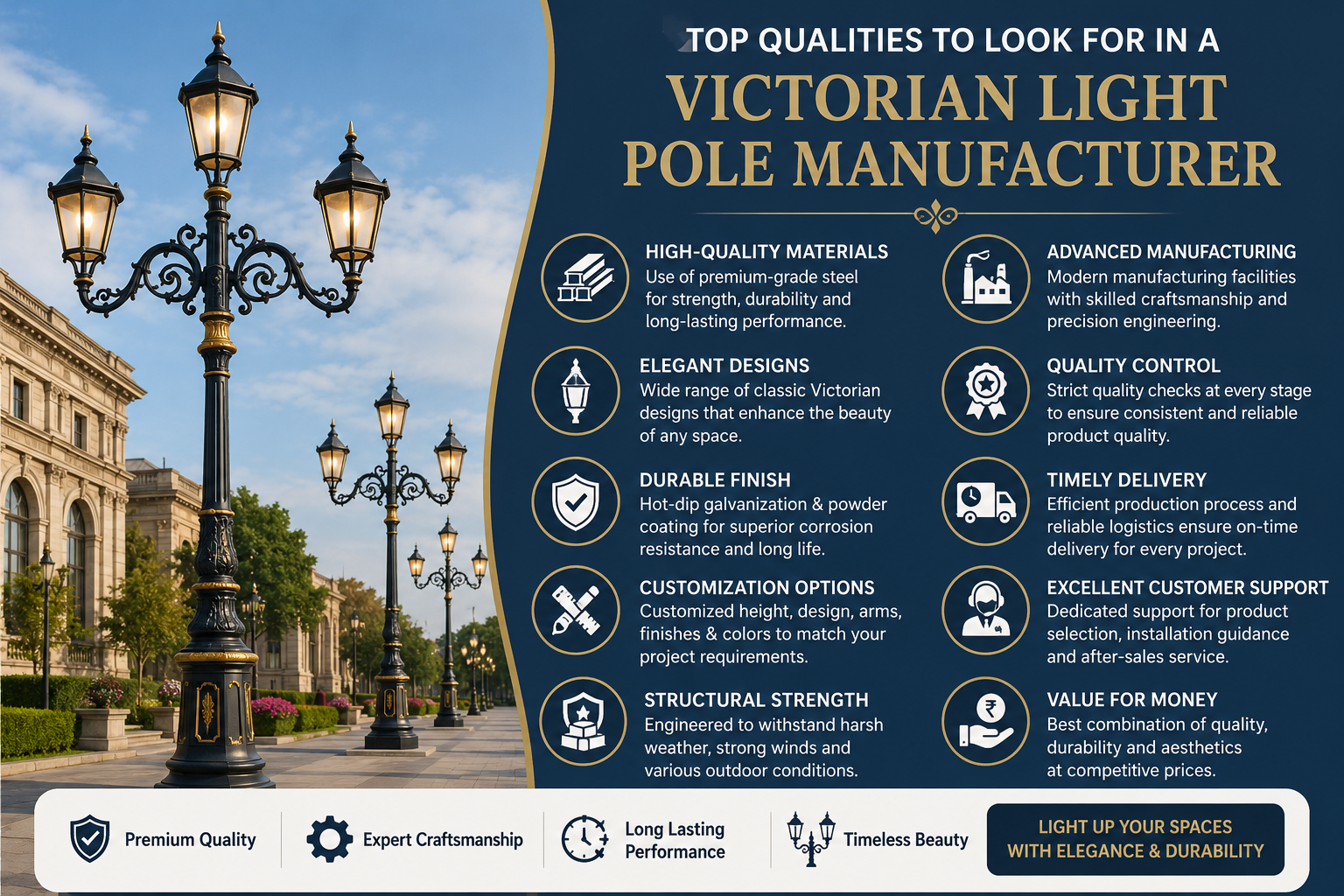
Learn the top qualities to consider when choosing a Victorian Light Pole Manufacturer. Discover how quality, durability, design, and expert craftsmans...
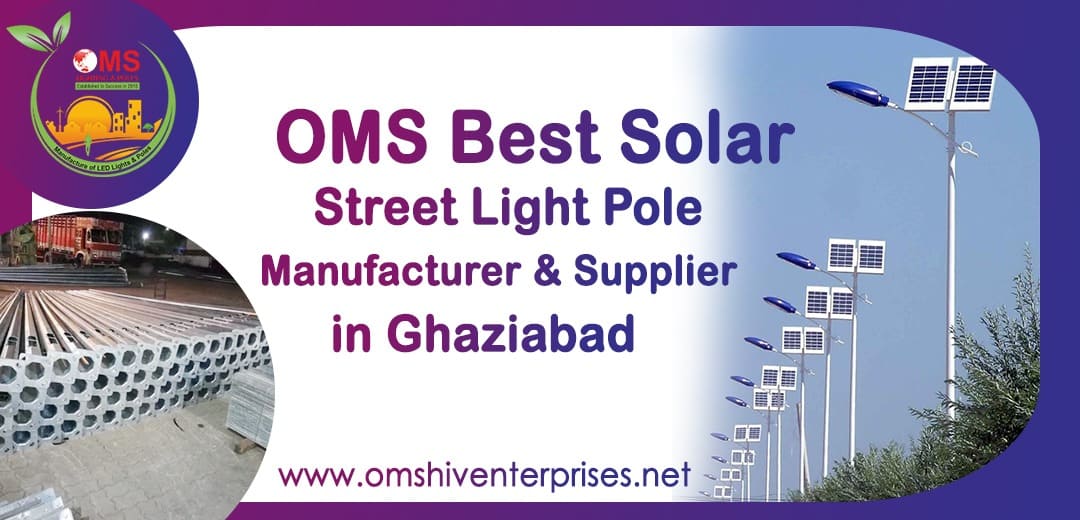
Manufacturer & Supplier from Ghaziabad As the world moves towards sustainable and eco-friendly energy solutions, solar-powered lighting systems have ...
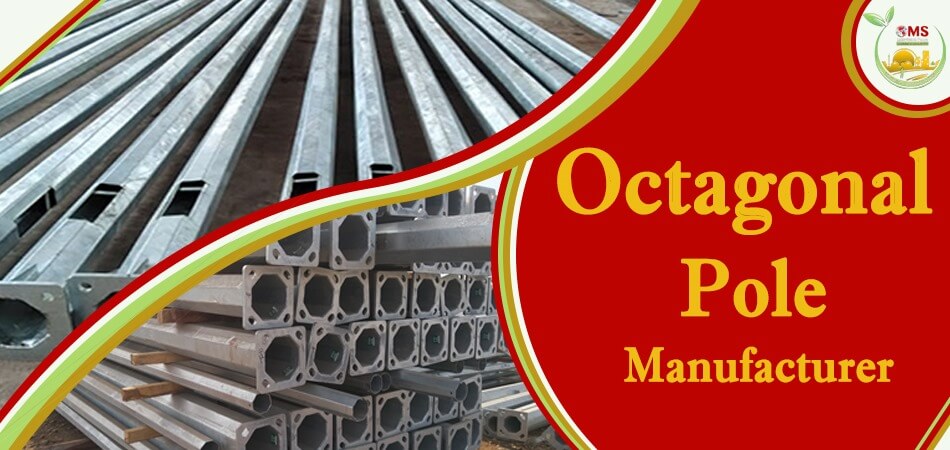
Choosing the right Octagonal Pole Manufacturer is crucial to ensure the success of your project, whether it involves street lighting, industrial infra...
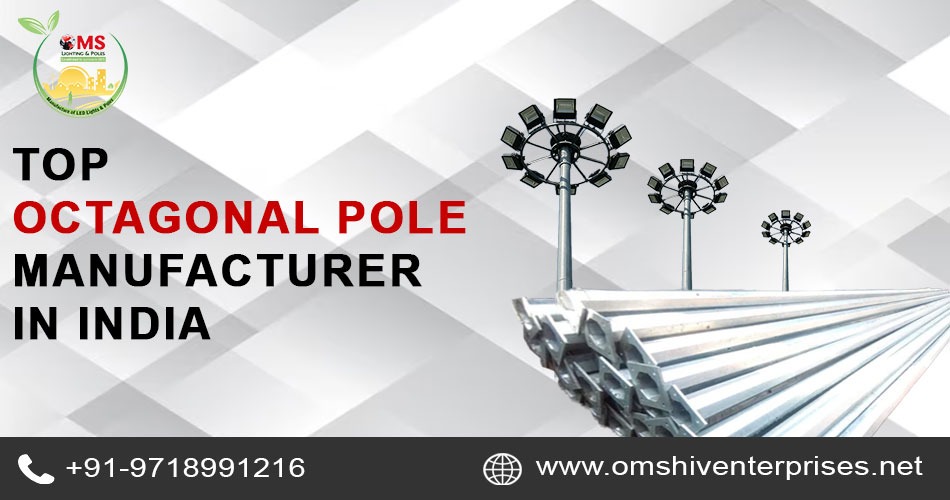
Looking for a trusted Octagonal Pole Manufacturer in India? Om Shiv Enterprises offers premium-quality galvanized octagonal poles for street lighting,...

This guide explains what high mast poles are, how they are manufactured, their applications, and how to select the best manufacturer (with a special n...
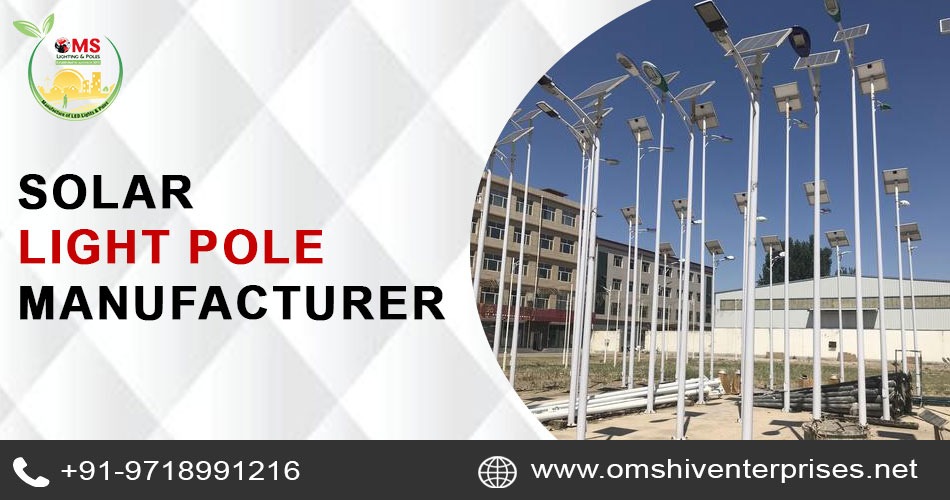
Solar Light Pole Manufacturer, Solar Street Light Pole, Solar Pole Supplier, Solar-Powered Street Lights, Solar Lighting Poles India, OM Shiv Enterpri...
Looking for a dependable flag mast pole manufacturer? OM Shiv Enterprises offers custom flagpoles in galvanized steel, aluminum, or stainless steel â€...
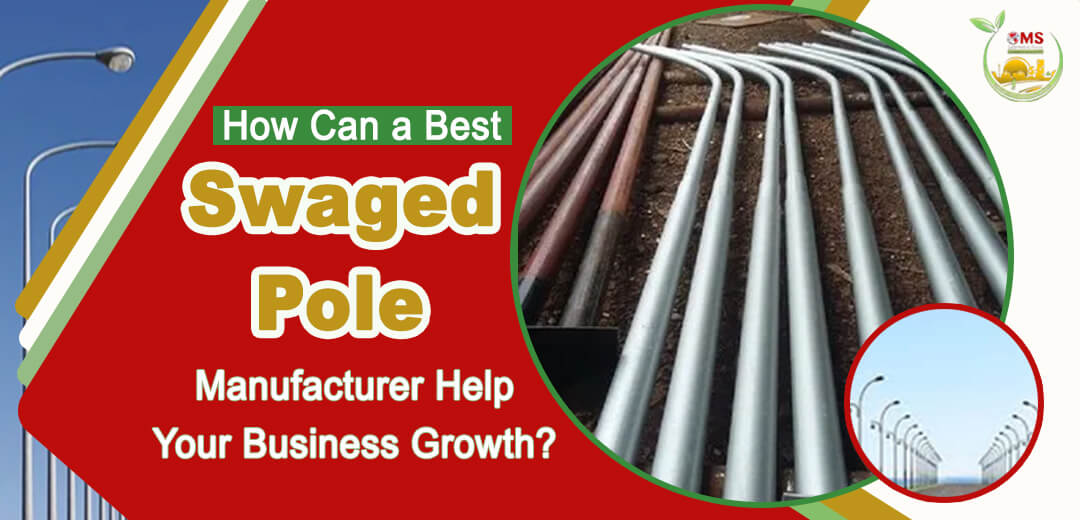
In the competitive landscape of today's market, businesses constantly seek ways to enhance their operations and create a lasting impression. ...
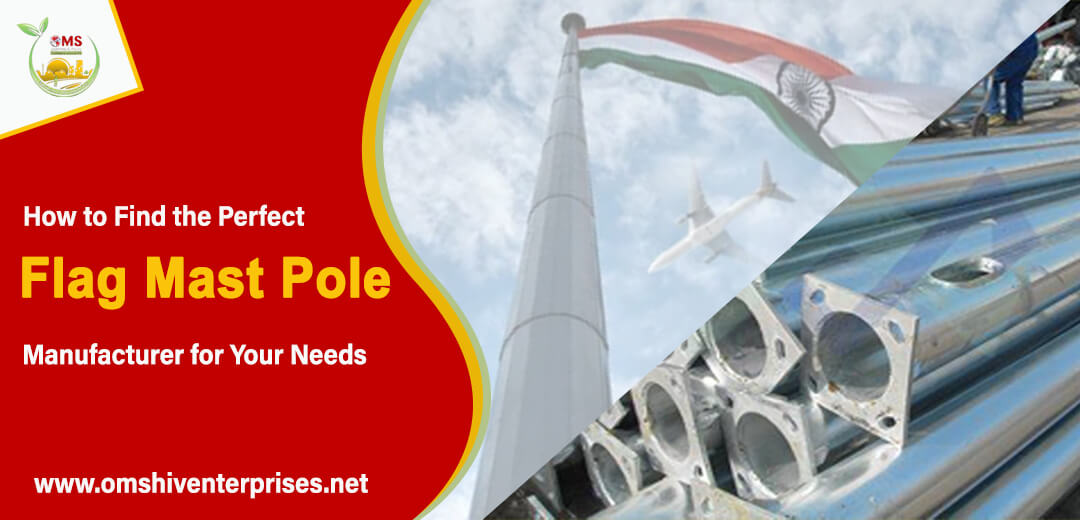
Choosing the right flag mast pole can make a significant difference in the visibility and presentation of your flags. Whether you are looking for a so...
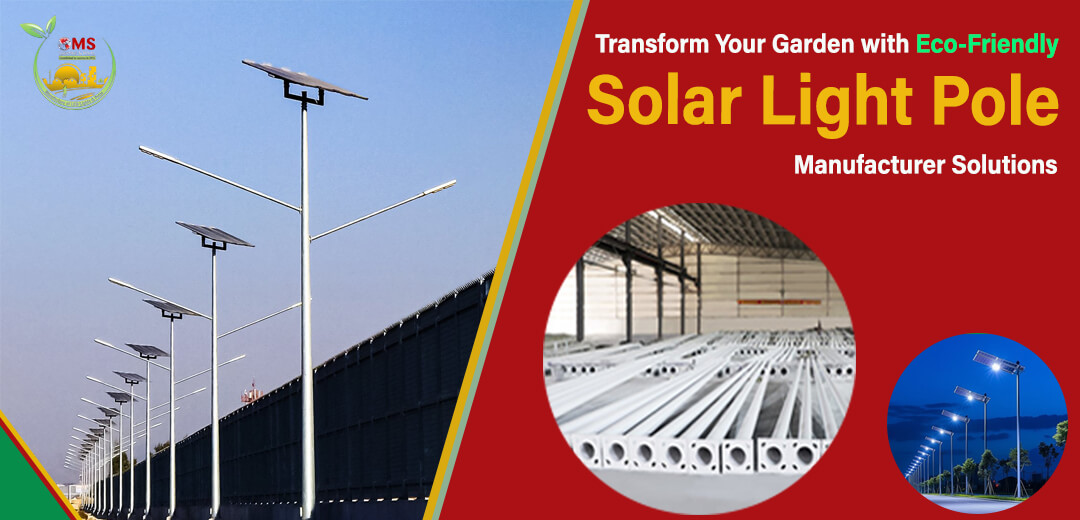
As sustainability becomes a priority for homeowners and businesses alike, eco-friendly lighting solutions are gaining popularity....
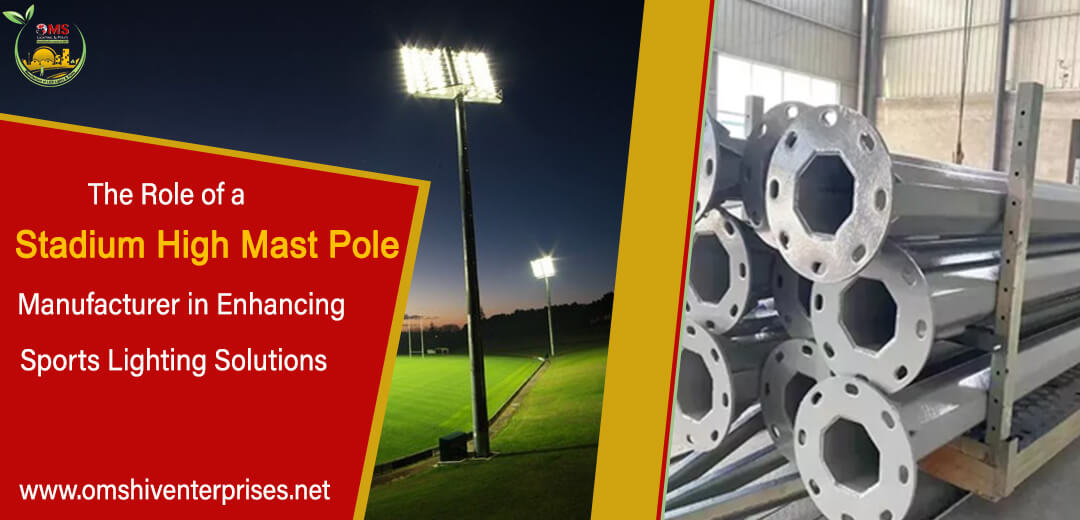
In the world of sports, lighting plays a crucial role in ensuring that athletes can perform at their best, and spectators can enjoy a great viewing ex...
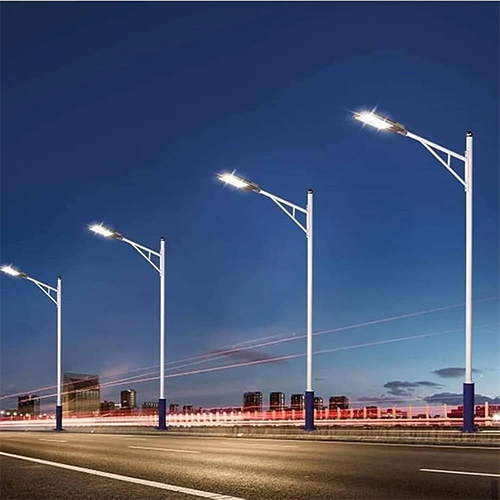
Looking for a reliable Custom Double Arm Street Light Pole Factory? Learn how to evaluate manufacturers, check quality standards, and choose the right...
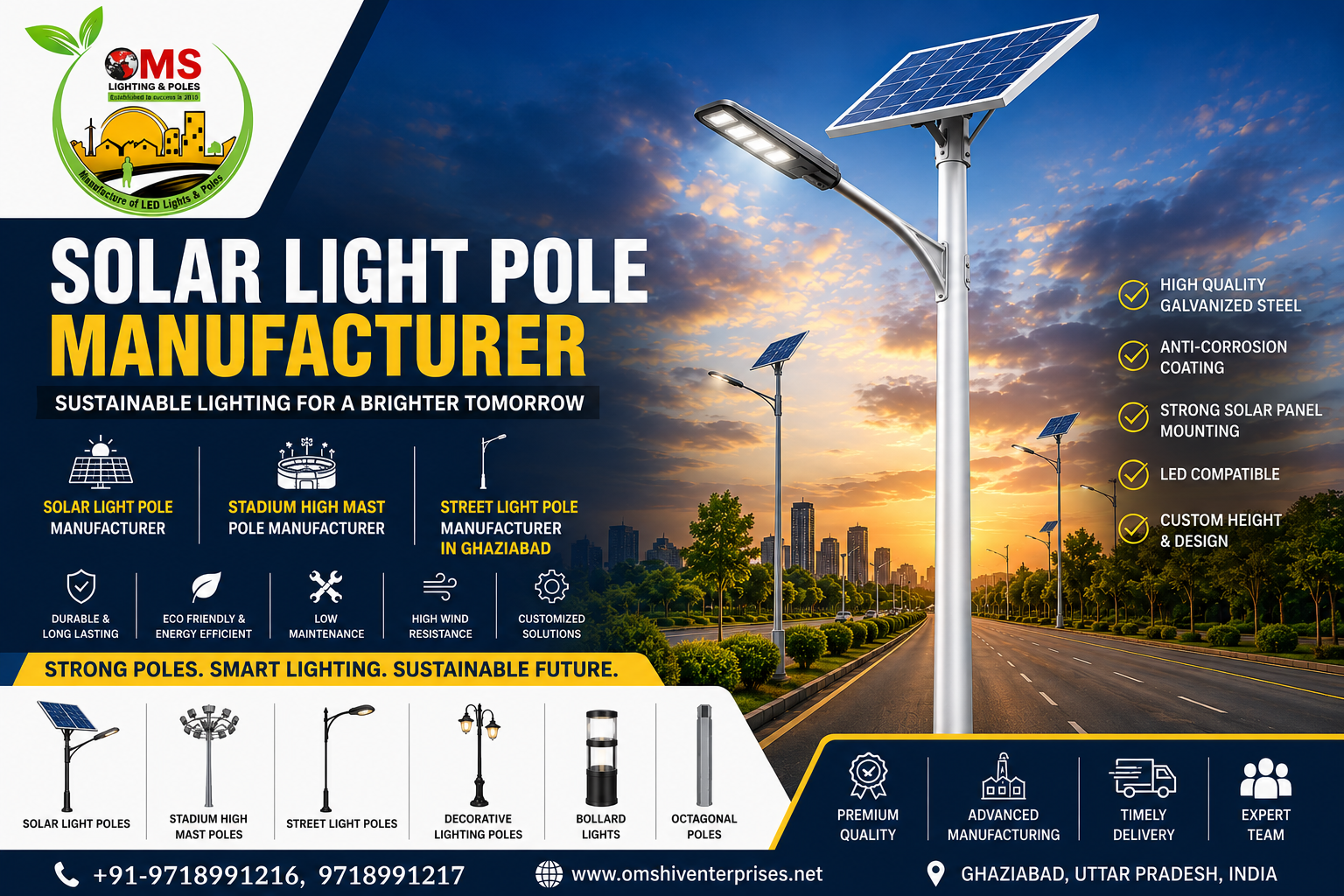
Looking for a trusted Solar Poles Manufacturer in Ghaziabad? OMS Lighting & Pole offers premium solar light poles with hot-dip galvanization, custom d...