
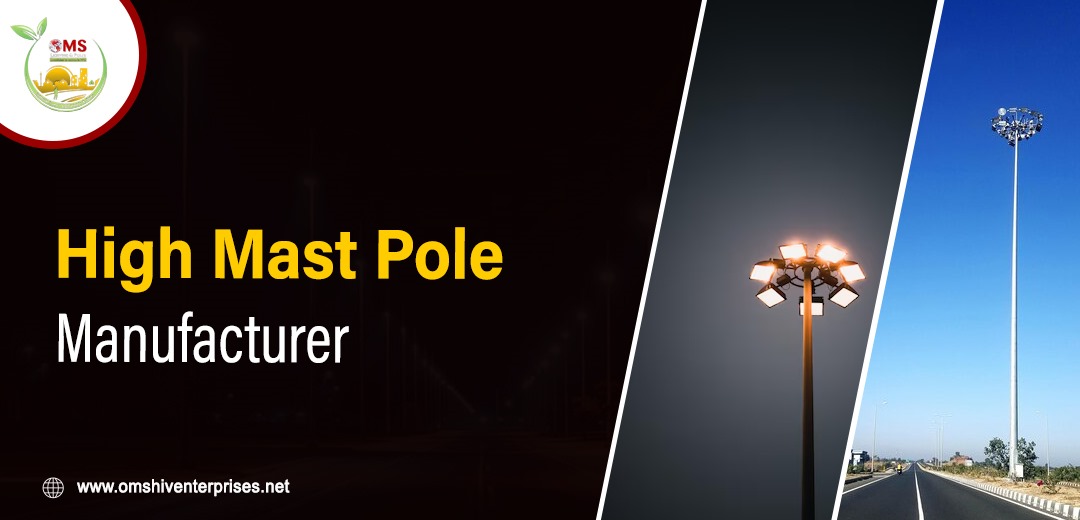
When it comes to large-scale outdoor lighting—especially for highways, stadiums, airports, and large public spaces—High Mast Poles are indispensable. Choosing a reliable High Mast Pole Manufacturer ensures that your lighting infrastructure is not just functional but also safe, durable, and cost-effective.
This guide explains what high mast poles are, how they are manufactured, their applications, and how to select the best manufacturer (with a special nod to OM Shiv Enterprises).
What Is a High Mast Pole?
A High Mast Pole is a very tall structural lighting pole (typically between 18 meters to 60 meters, sometimes even more). These poles are designed to support multiple high-power luminaires (floodlights) at the top, providing wide‐area lighting coverage.
Key characteristics:
-
Height: Much taller than conventional streetlamps
-
Lighting head: Often circular or polygonal, supports many lights
-
Durability: Must withstand high wind loads, vibration, and outdoor stresses
-
Maintenance: Includes systems to lower the lighting head for maintenance
Why High Mast Poles Are Essential
-
Wide-Area Illumination
High mast poles can cover large areas from a single fixture point, making them efficient for highways, interchanges, stadiums, and large parking lots. -
Enhanced Safety
Better lighting reduces the risk of accidents, enhances visibility for vehicles and pedestrians, and improves overall security. -
Fewer Poles, Lower Visual Pollution
Instead of having many shorter poles, a few high mast poles can do the job, preserving the landscape’s aesthetics. -
Energy Efficiency
With modern LED floodlights, high mast poles can produce very powerful illumination while consuming less energy than outdated lighting systems. -
Durability & Long Life
Made from high-grade steel and often hot-dip galvanized or powder-coated for protection against corrosion and weather.
How High Mast Poles Are Manufactured
1. Material Selection
-
Steel: High-tensile steel is the most common.
-
Galvanization: Hot-dip galvanizing enhances corrosion resistance.
-
Coatings: Additional powder coating or paint can be applied for aesthetics and extra protection.
2. Structural Design
-
Poles are often segmented — several sections are welded or bolted to form the full height.
-
Shape design: conical, polygonal, or tubular, based on load and site requirements.
-
Lighting frame/head: A rigid, engineered frame to host multiple floodlights.
3. Strength & Safety Calculations
-
Wind load calculations ensure the pole withstands local maximum wind speeds.
-
Stress analysis for bending, torsion, and vibration.
-
Foundation design is critical (base plate, anchor bolts).
4. Quality Assurance & Testing
-
Tensile and load tests on materials
-
Weld quality inspection
-
Corrosion test for galvanization
-
Coating thickness and adhesion tests
-
Alignment test for assembled pole
5. Maintenance Mechanisms
-
Winch-lowering system or a motorized lowering system to bring down the light head safely
-
Safety ropes, pulleys, and brake systems
-
Lightning protection systems
Applications of High Mast Poles
-
Stadiums and Sports Complexes
-
Highways & Road Interchanges
-
Airport Aprons and Runways
-
Large Industrial Sites
-
Rail Yards and Terminals
-
Tall Public Spaces & Commercial Parks
-
Parking Lots & Logistics Parks
Key Benefits of Choosing a Reputable High Mast Pole Manufacturer
-
Reliability & Longevity: High-quality materials and testing ensure long life.
-
Safety: Correct design with wind calculations and certified components.
-
Aesthetic Appeal: Modern designs that blend with landscape and architecture.
-
Cost Savings: Fewer poles needed → lower installation and maintenance costs.
-
Maintenance Support: Lowering mechanisms make maintenance easier and safer.
-
Customization: Ability to choose height, design, finish, and load capacity.
Why OM Shiv Enterprises Is an Excellent Choice
-
Expertise: Years of experience in manufacturing high mast poles.
-
Premium Materials: High-tensile steel, proper galvanization, and finishing.
-
Quality Control: Stringent testing for structural integrity, safety, and coatings.
-
Support Services: Installation assistance, foundation design, maintenance planning.
-
Customization: Tailored high mast pole solutions for different projects.
-
Timely Delivery: Efficient manufacturing and supply chain to ensure on-time delivery.
How to Choose the Right High Mast Pole Manufacturer
Here is a practical checklist:
-
Technical Capability
-
Can they design poles to your required height/load?
-
Do they provide detailed engineering drawings?
-
-
Quality Assurance
-
Ask for test reports (weld test, wind load test, galvanization thickness).
-
Can they provide sample pole sections/prototypes?
-
-
Certifications
-
ISO certification/quality management
-
Environmental & safety certifications
-
-
After-Sales Services
-
Do they offer maintenance contracts?
-
Will they provide spare parts (winch, rope, pulleys)?
-
-
Project Experience
-
Do they have a portfolio of similar high mast pole projects?
-
References or case studies from highways, stadiums, or industrial sites.
-
FAQ – High Mast Pole Manufacturer
Q1. What is a high mast lighting pole?
A: It is a very tall structural pole designed to support multiple floodlights, used for illuminating large outdoor areas such as stadiums, highways, airports, and industrial zones.
Q2. How tall can high mast poles be?
A: They typically range from 18 to 60 meters or more, depending on project requirements.
Q3. What materials are used in high mast poles?
A: High-tensile steel is most common. Poles are usually hot-dip galvanized for corrosion protection, and may have additional powder-coated or painted finishes.
Q4. Is wind load important in high mast design?
A: Yes, wind load calculation is critical. Poles need to be engineered to survive local maximum wind speeds.
Q5. How do you maintain high mast poles?
A: Through lowering mechanisms (winch or motor), safety ropes, and periodic inspection of lights, bolts, and structural integrity.
Q6. How should I choose a manufacturer?
A: Look for: proven experience, quality assurance, design capabilities, custom solutions, after-sales support, and certifications.
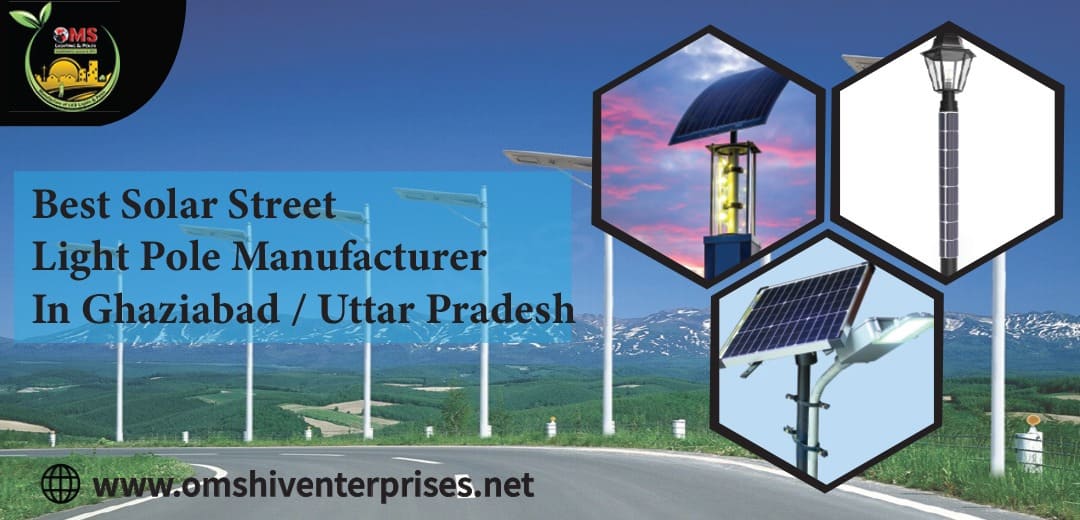
When it comes to finding a reliable and trusted Solar Light Pole Manufacturer, one name stands tall in Ghaziabad, Uttar Pradesh—OMS Lighting & Pole...
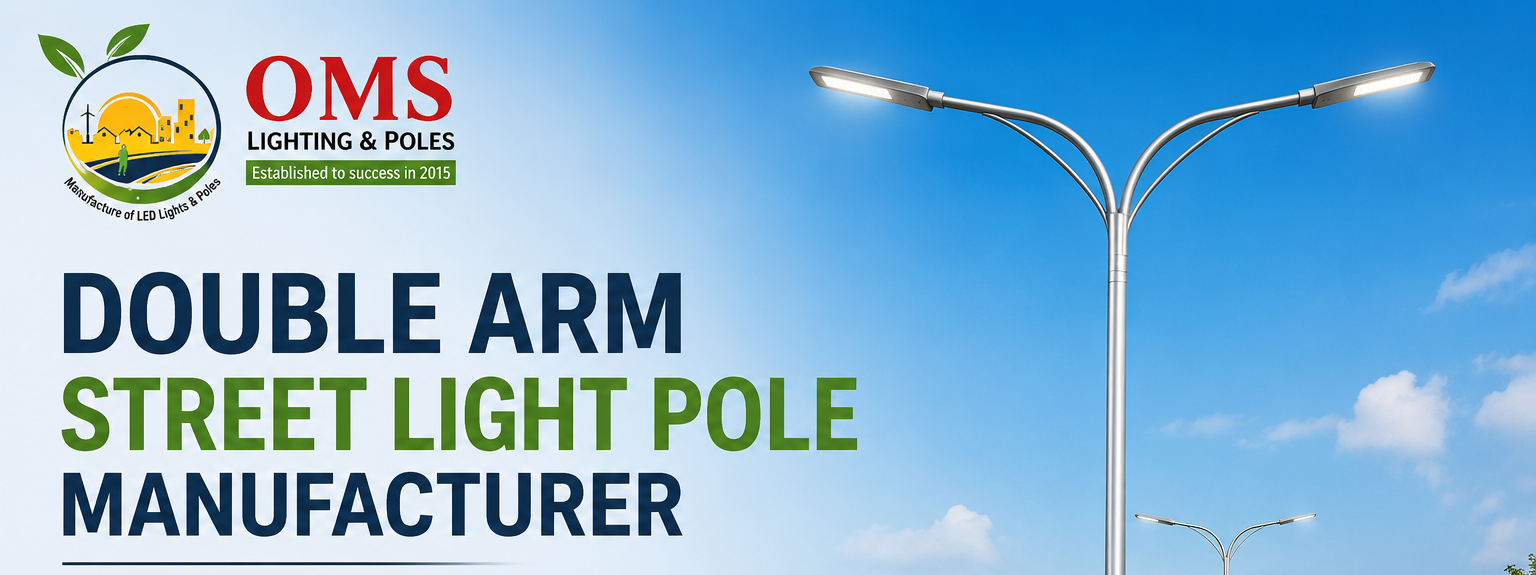
Looking for a trusted Double Arm Street Light Pole Manufacturer? OMS Lighting & Pole Pvt. Ltd. manufactures durable galvanized double arm poles for hi...
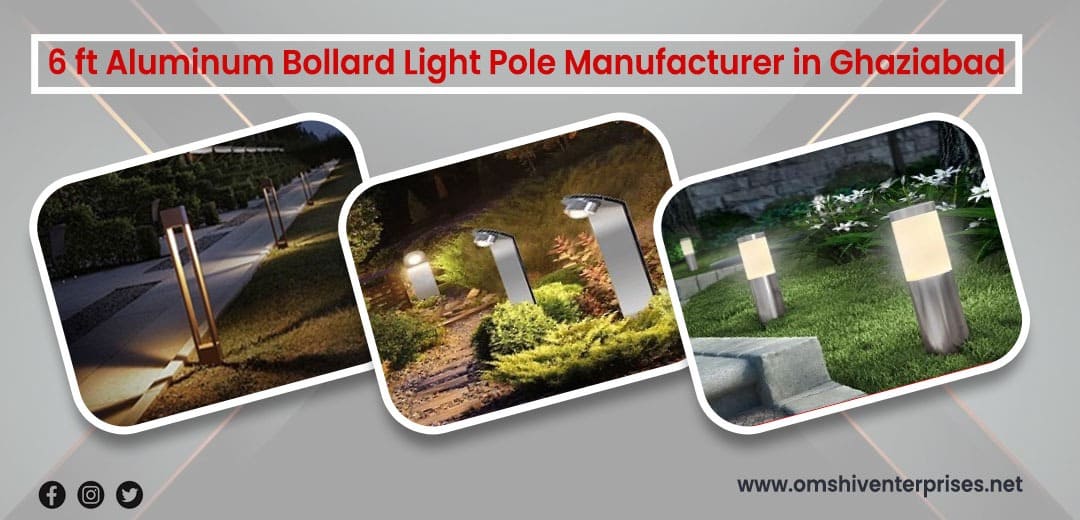
Outdoor lighting plays a critical role in enhancing safety, visibility, and aesthetics in public and private spaces. ...
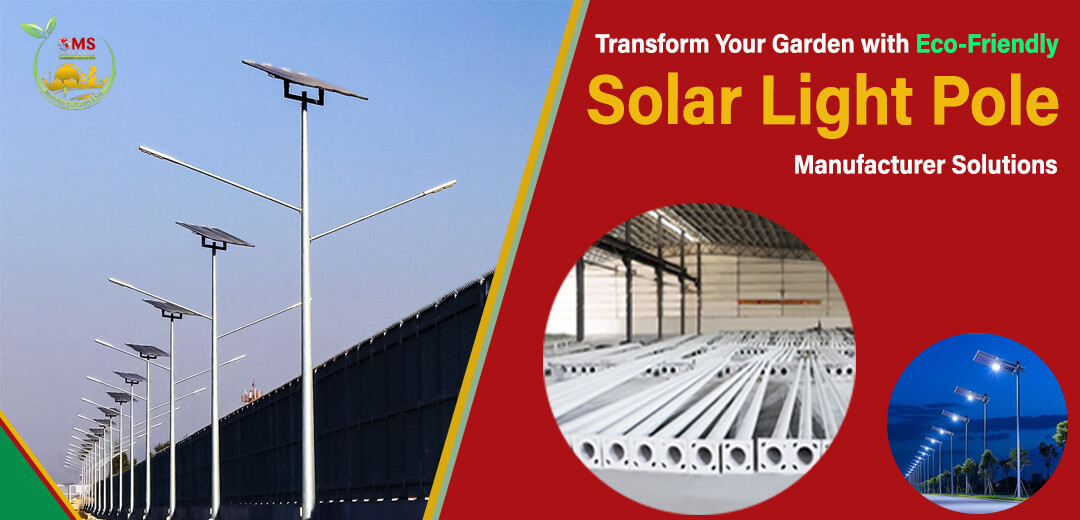
Solar light poles reduce dependency on conventional electricity, lower operational costs, and support green energy initiatives, making them ideal for ...
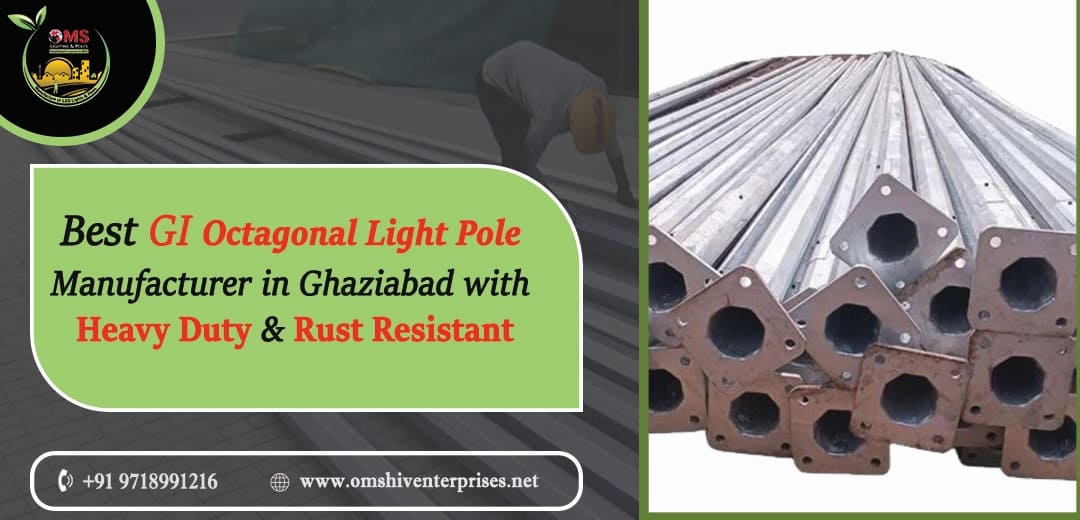
When it comes to outdoor lighting infrastructure, GI octagonal light poles are the preferred choice due to their durability, strength, and resistance ...
India's infrastructure development has seen a remarkable transformation over the years, and one of the most visible aspects of this progress is the wi...
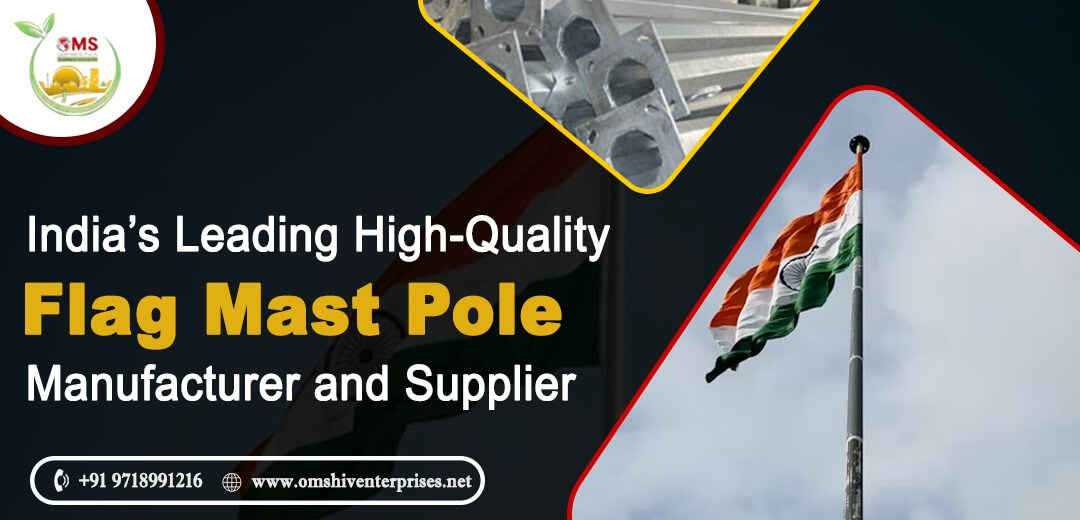
When it comes to flag mast poles, quality and reliability are paramount. India has emerged as a hub for engineering and manufacturing excellence, prod...
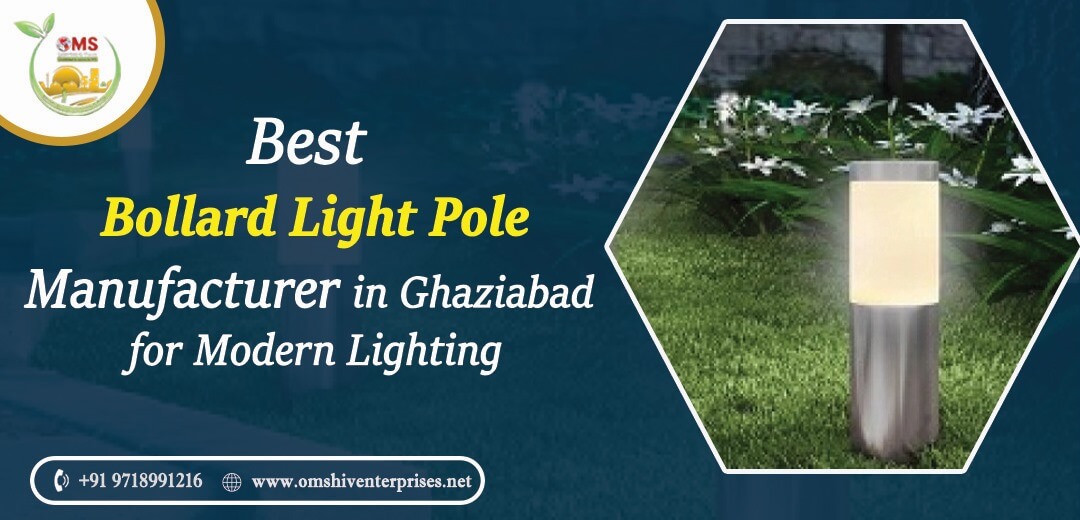
In today’s rapidly urbanizing world, the demand for high-quality lighting solutions has surged significantly. From residential complexes to commerci...
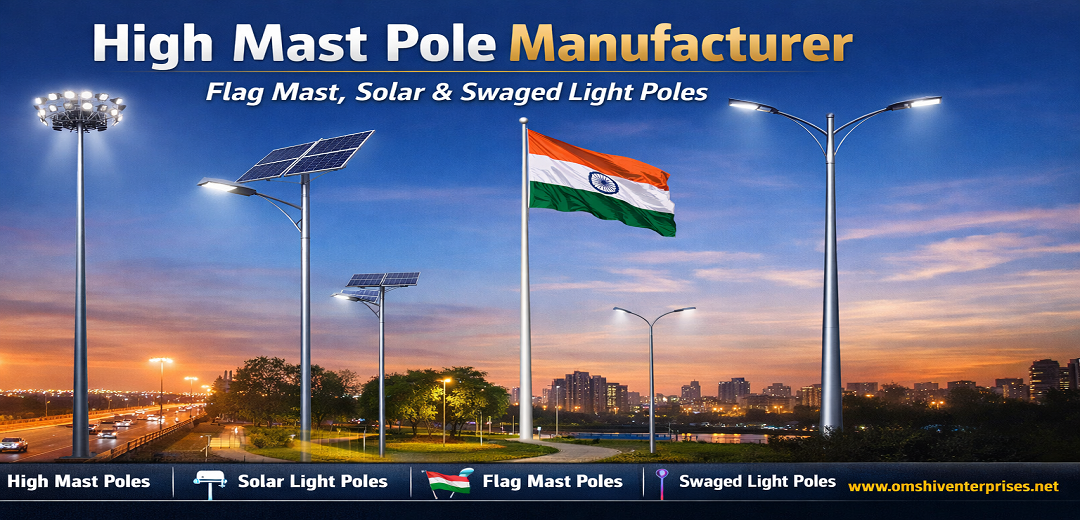
Selecting the right High Mast Pole Manufacturer directly impacts the performance and lifespan of your lighting system. Poor-quality poles may lead to ...
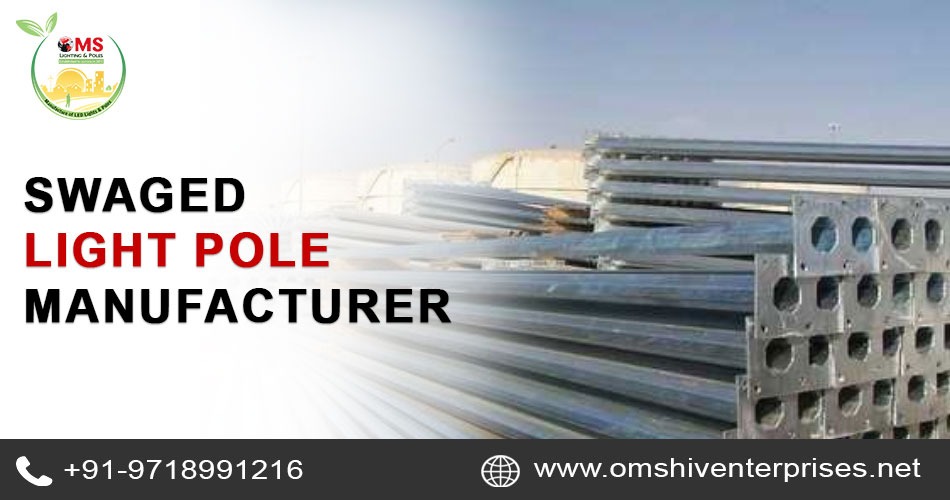
Om Shiv Enterprises has earned a strong reputation in the lighting industry by consistently delivering high-quality swaged light poles that comply wit...
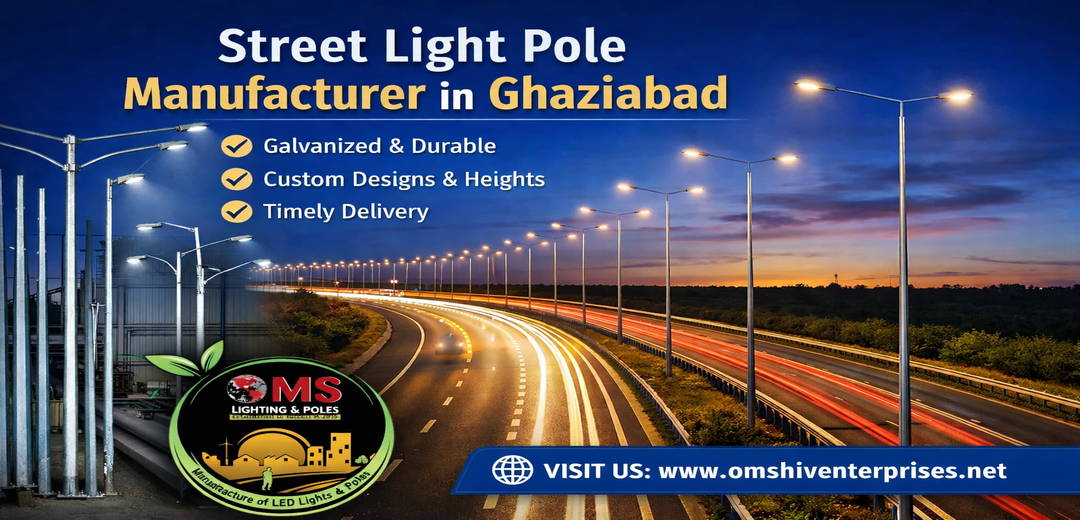
Ghaziabad, being one of the fastest-growing industrial hubs in NCR, has a rising demand for reliable street lighting solutions for highways, residenti...
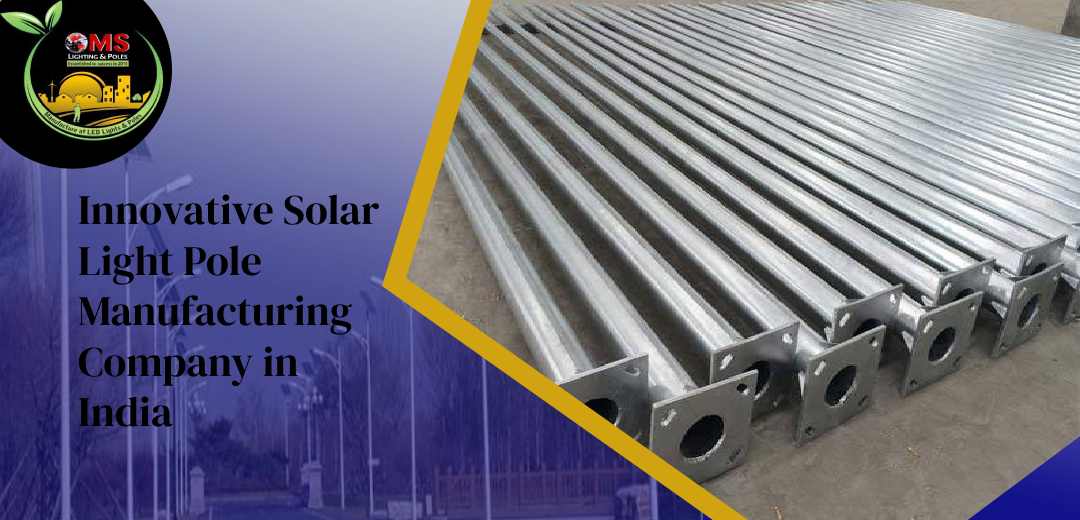
In recent years, the demand for sustainable and energy-efficient lighting solutions has increased dramatically across the globe. ...
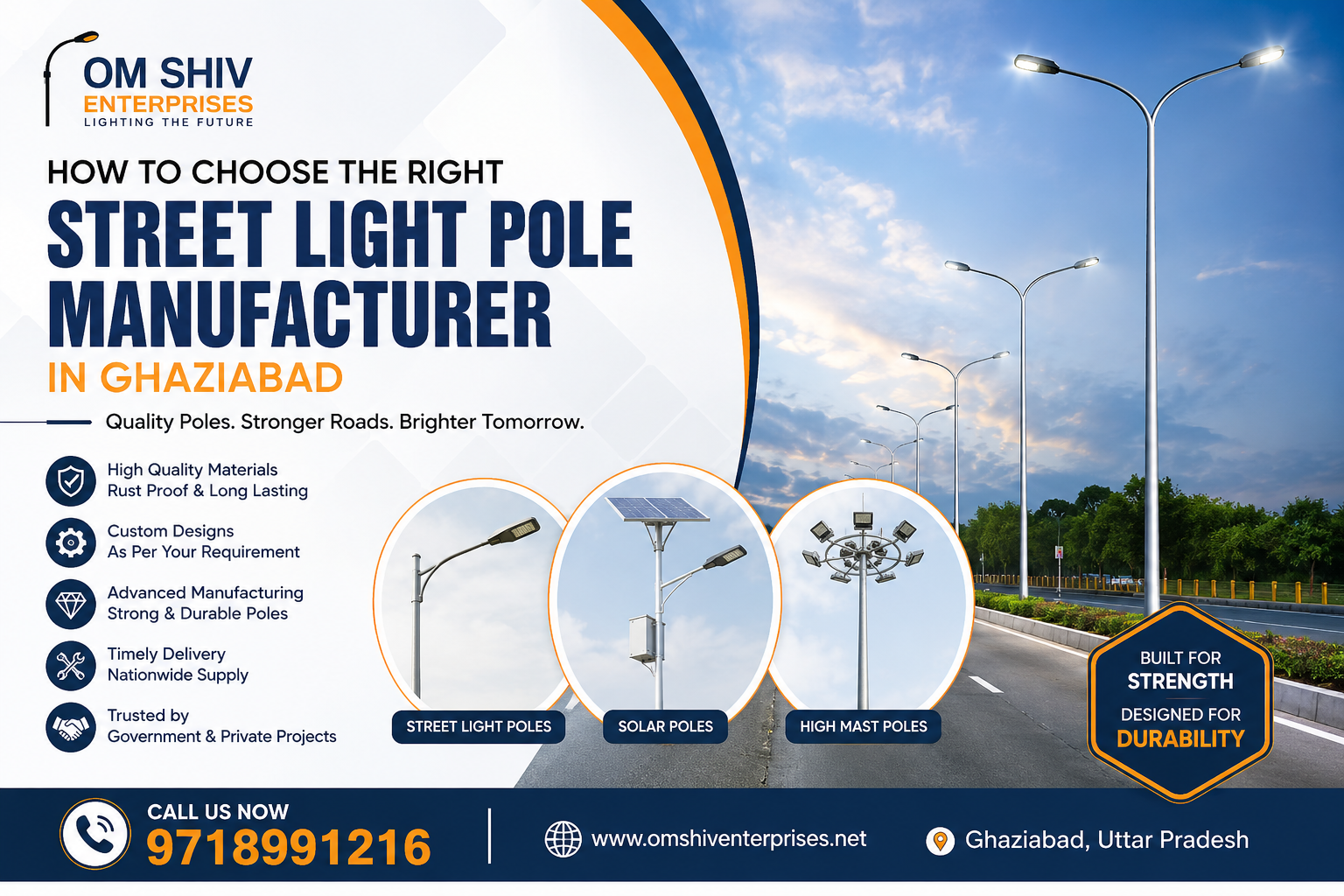
Looking for a reliable Street Light Pole Manufacturer in Ghaziabad? Learn how to choose the best manufacturer for durable, high-quality street lightin...
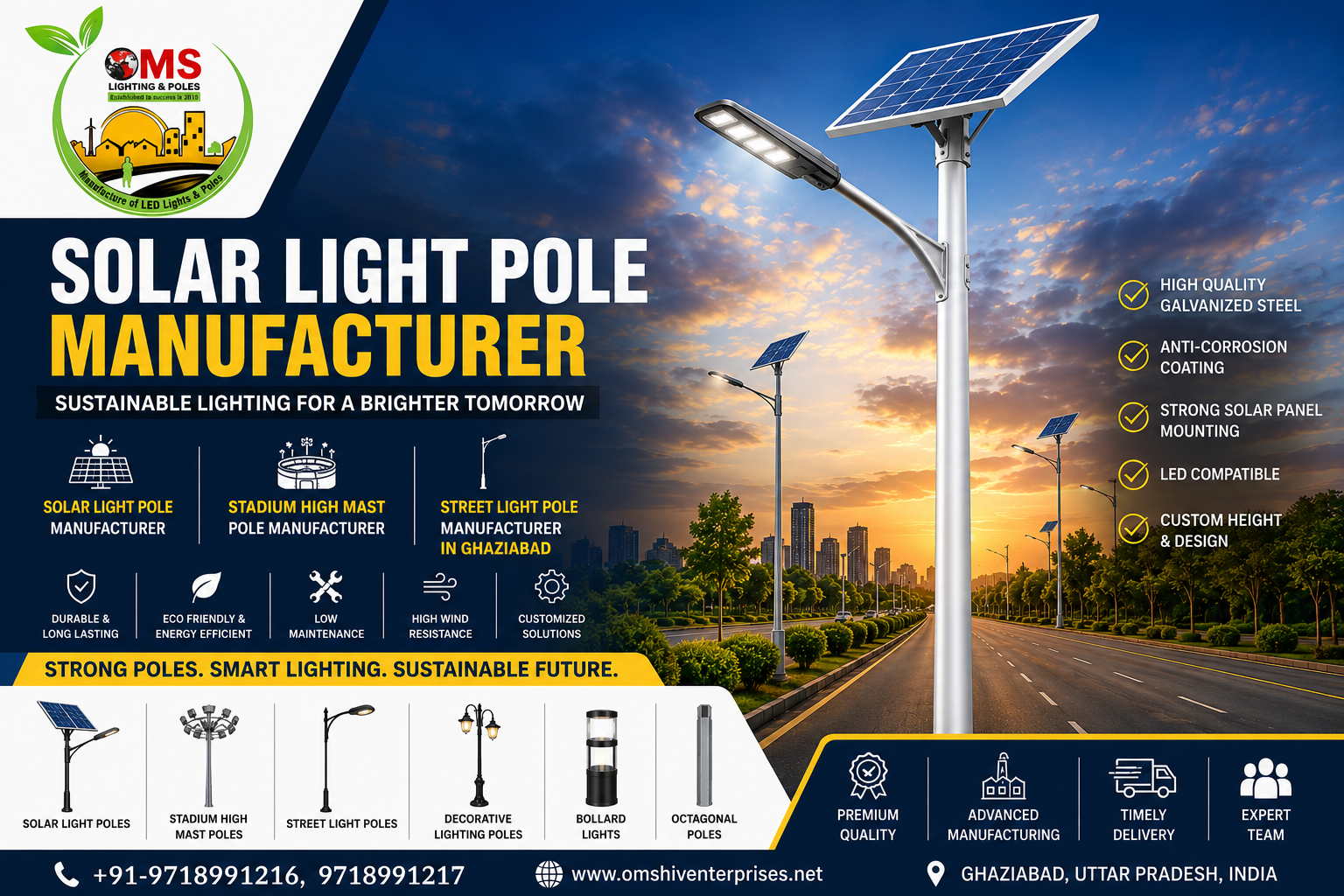
Looking for a reliable Solar Light Pole Manufacturer? Get durable and energy-efficient solar light poles for roads, highways, townships, parks, and co...
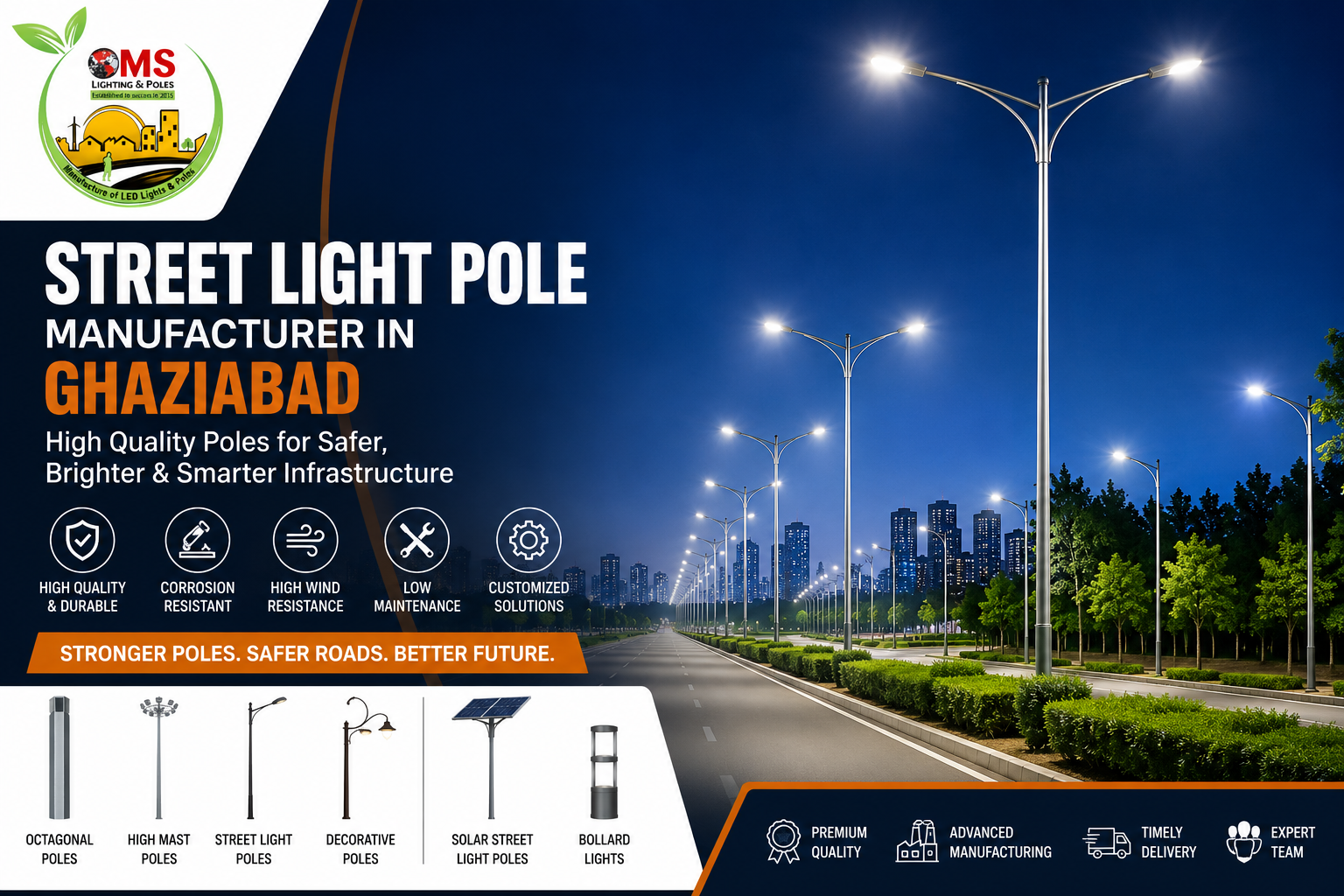
Looking for a reliable Street Light Pole Manufacturer in Ghaziabad? OMS Lighting & Pole offers high-quality street light poles, octagonal poles, high ...
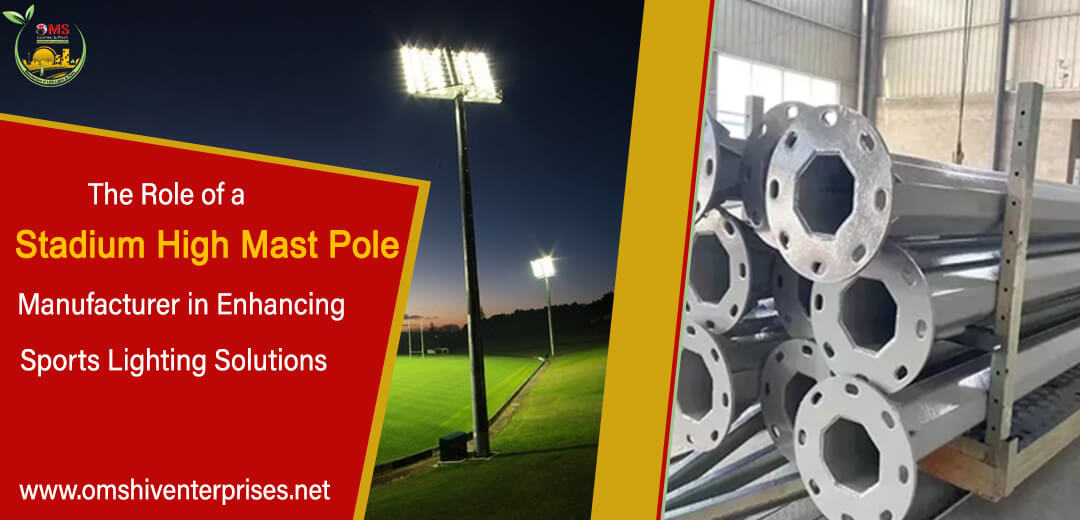
Avoid costly mistakes when choosing a Stadium High Mast Pole Manufacturer. Learn what to check before buying high mast poles for stadiums, sports comp...
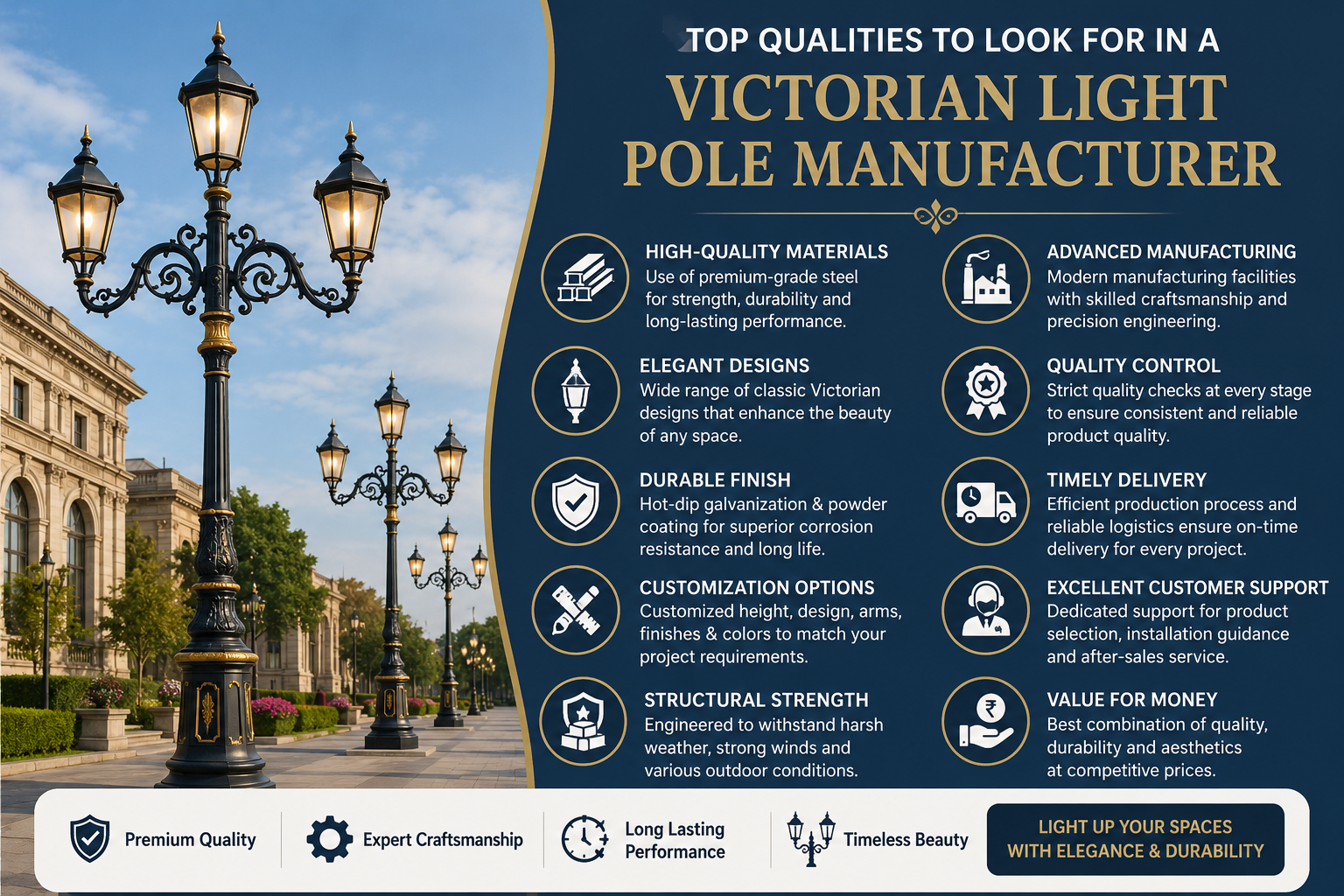
Learn the top qualities to consider when choosing a Victorian Light Pole Manufacturer. Discover how quality, durability, design, and expert craftsmans...
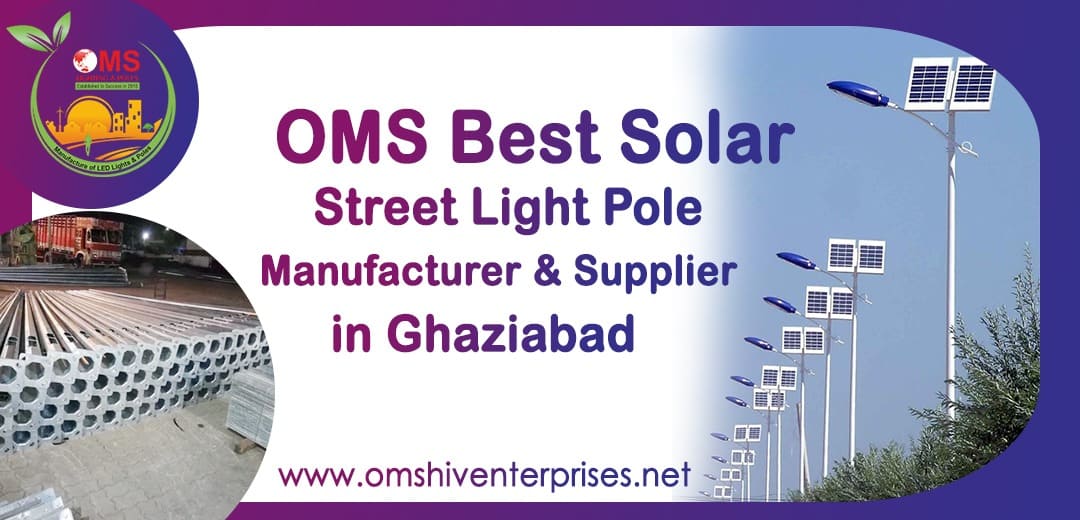
Manufacturer & Supplier from Ghaziabad As the world moves towards sustainable and eco-friendly energy solutions, solar-powered lighting systems have ...
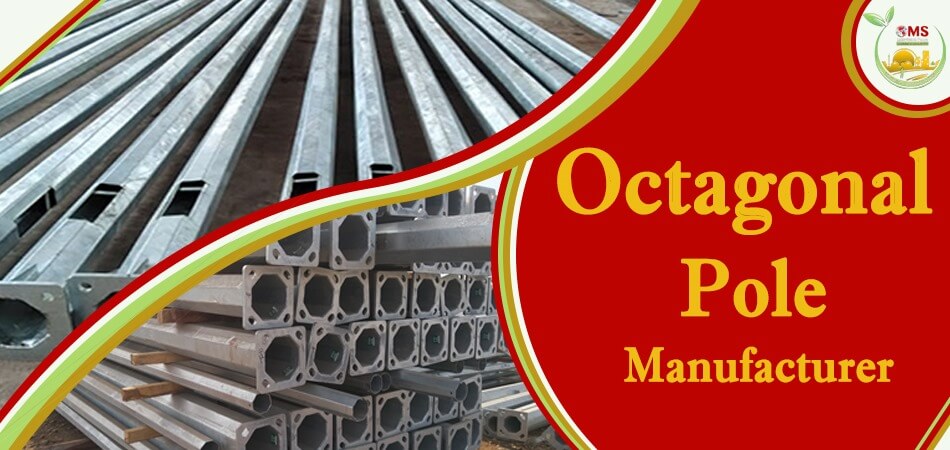
Choosing the right Octagonal Pole Manufacturer is crucial to ensure the success of your project, whether it involves street lighting, industrial infra...
This guide explains what high mast poles are, how they are manufactured, their applications, and how to select the best manufacturer (with a special n...
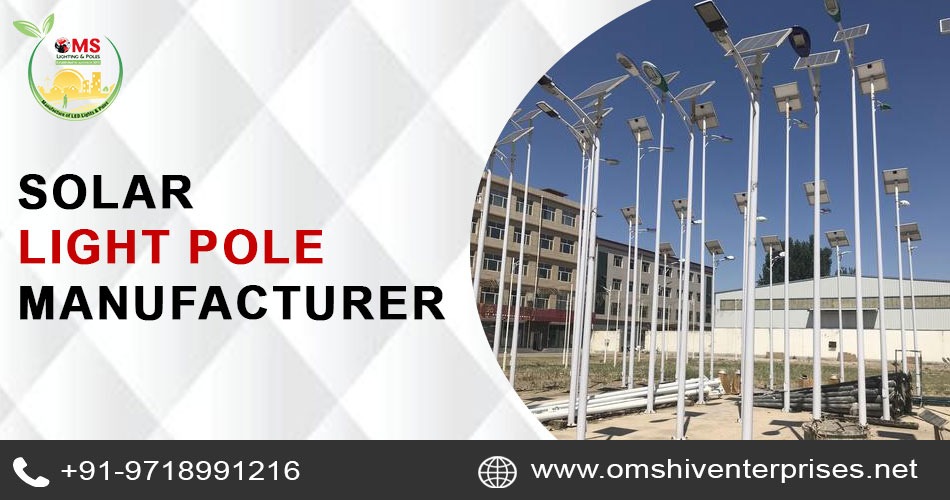
Solar Light Pole Manufacturer, Solar Street Light Pole, Solar Pole Supplier, Solar-Powered Street Lights, Solar Lighting Poles India, OM Shiv Enterpri...
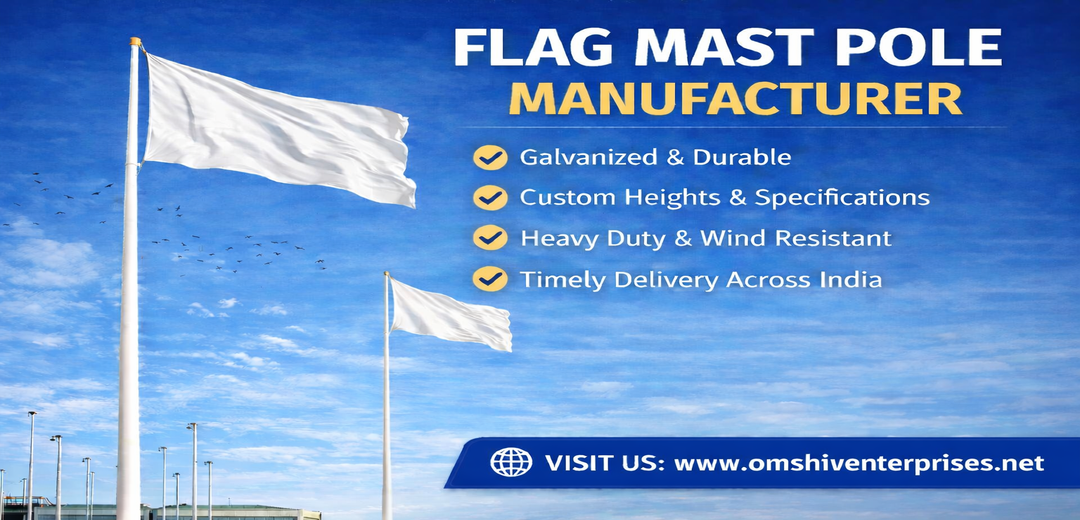
Looking for a dependable flag mast pole manufacturer? OM Shiv Enterprises offers custom flagpoles in galvanized steel, aluminum, or stainless steel â€...
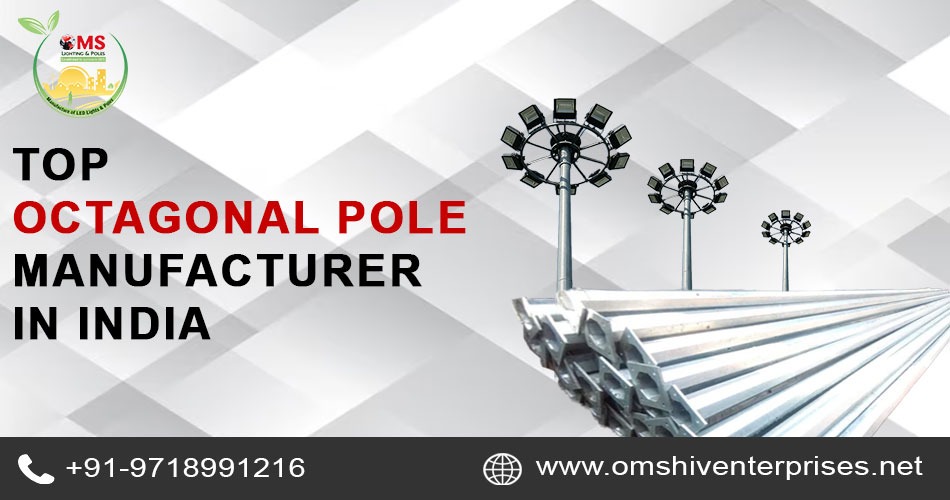
Looking for a trusted Octagonal Pole Manufacturer in India? Om Shiv Enterprises offers premium-quality galvanized octagonal poles for street lighting,...
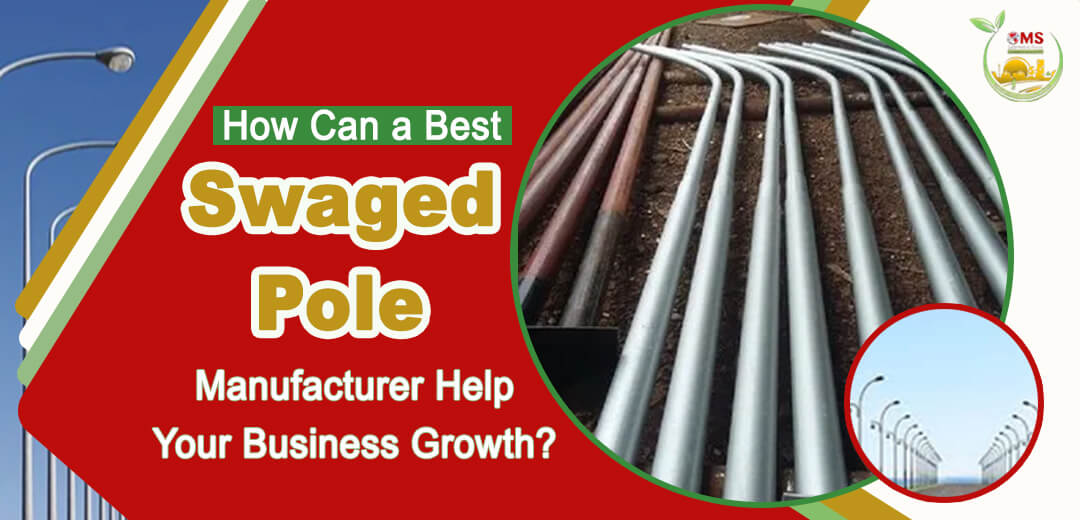
In the competitive landscape of today's market, businesses constantly seek ways to enhance their operations and create a lasting impression. ...
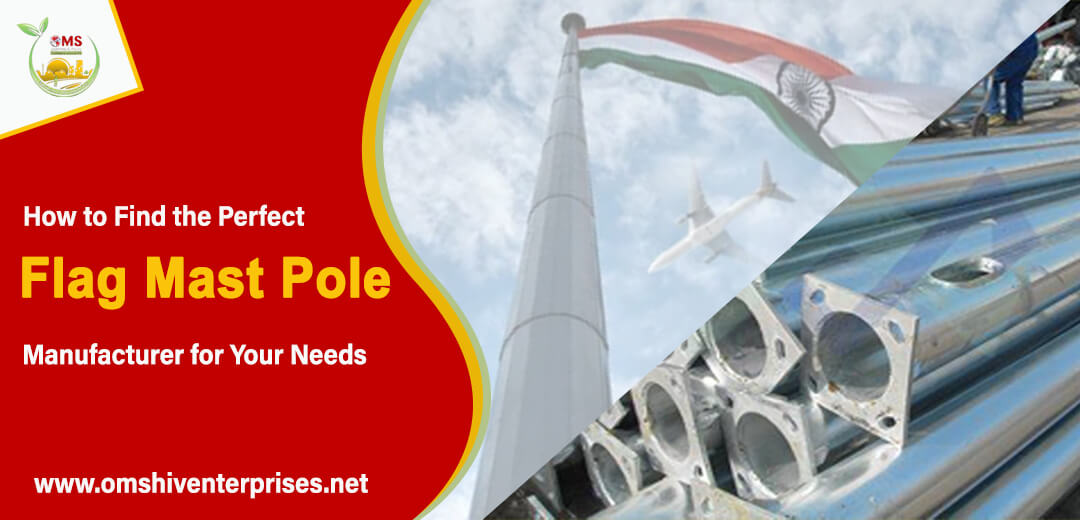
Choosing the right flag mast pole can make a significant difference in the visibility and presentation of your flags. Whether you are looking for a so...
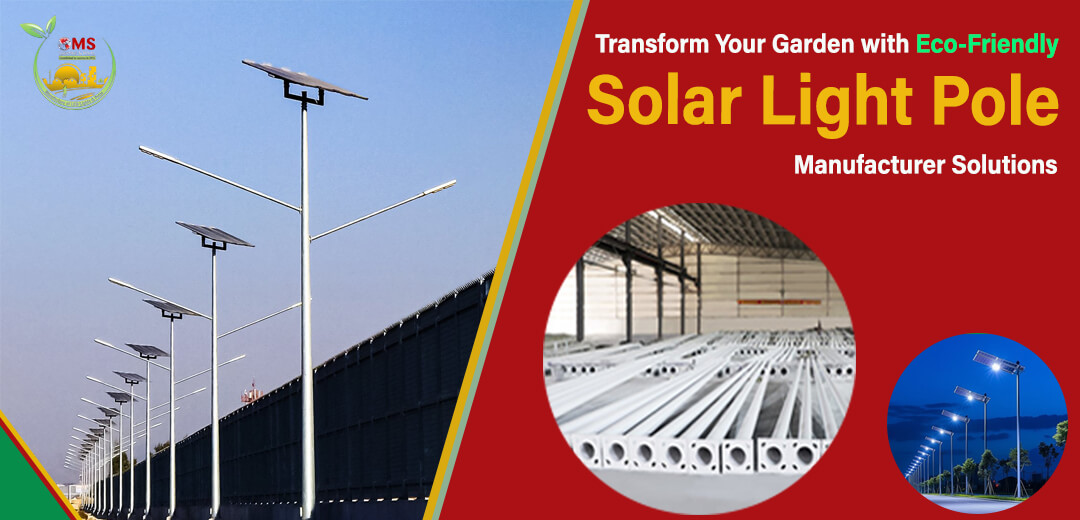
As sustainability becomes a priority for homeowners and businesses alike, eco-friendly lighting solutions are gaining popularity....
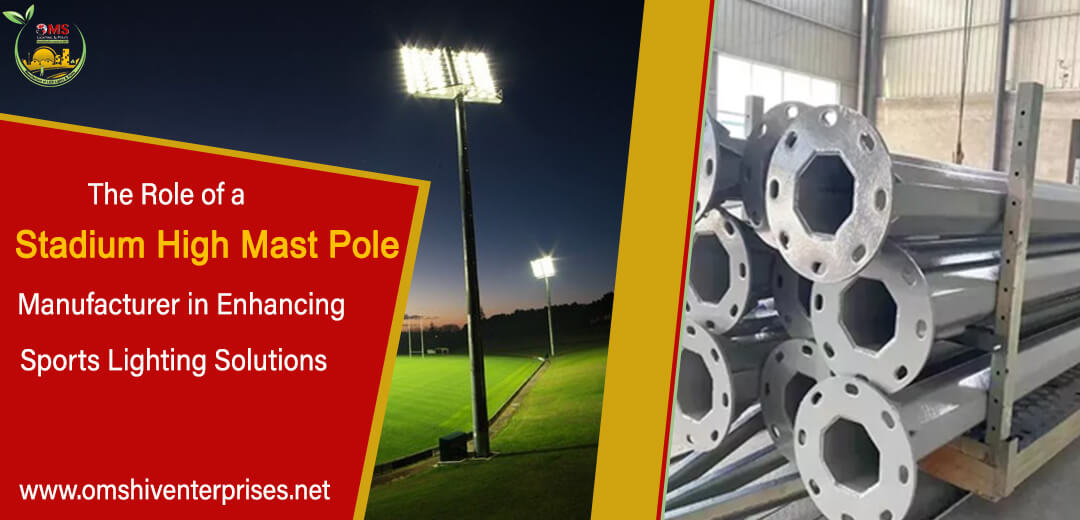
In the world of sports, lighting plays a crucial role in ensuring that athletes can perform at their best, and spectators can enjoy a great viewing ex...